分類: 學佛心得分享
明星做慈善,究竟是要高調還是低調?

明星做慈善,究竟是要高調還是低調?
“送人玫瑰,手有餘香”形象說明了造福他人的同時也給行善者帶來了利益,其中的“餘香”是自然而然的產物,並非索取而來。不求回報,一心佈施的慈善值得稱道,這樣的馨香會回味無窮。
做慈善的本質不在於錢多錢少,而在於能否真正幫到需要幫助的人。而施予援手的人,抱著何種心念行善也非常重要。

著名喜劇表演家趙本山紅遍大江南北,鮮為人知的是他為了給家鄉市民解決眼疾問題,投資1000余萬元建成流動眼科醫院,造福一方。香港巨星古天樂做公益很低調,默默為許多貧困山區的孩子出資修建學校,一修就是十幾年。著名歌星韓紅熱心公益,無論是抗震救災還是殘奧會獻唱,她總是身體力行,此外還創立了“韓紅愛心慈善基金會”,為公益事業盡著自己的心力。演員江一燕也曾身體力行為貧困山區支教了整整五年,給那裡的孩子們送上知識的“甘泉”。他們都是樂於付出,一心做慈善的人。
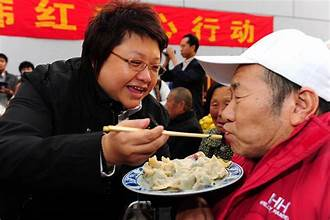
但不得不說的是,在這個物欲橫流的社會,有些“慈善”卻出於某些目的,這就是“借慈善洗白自己”。中國網也曾對此發文說:任何單純的公益行為都該鼓勵支持,但切莫試圖將此作為挽救自己事業星途的洗白器。
因婚內出軌口碑一落千丈的吳某波曾高調看望西藏貧困山區兒童;因稅務風波人氣大跌的范某冰曾為複出而到西藏扶貧。時間上她跟吳某波就是前後腳,所以網友一度調侃西藏簡直是洗白聖地。
筆者想說的是,真正的慈善只問耕耘,不求回報。慈善的本意不是為了得到別人的感恩,而是為了讓生活充滿愛與陽光。而帶有功利之心的慈善,發心不真,也讓慈善打了折。
相對于慈善,佛教教義裡,有一個詞更加貼切,那就是佈施(布散施捨之意)。而佈施有三種:財佈施、法佈施、無畏佈施。在境界上,又分為有相佈施和無相佈施。有相佈施,指世間上一般人心希求果報,執著人我的佈施;這種佈施只能得到有限的人天福報,用完了就沒有了。而無相佈施,就是佈施時沒有能佈施的我,受佈施的人,所佈施的物,佈施後更不存求報的念頭,這就叫無相而施,會獲得最大的功德。
南無第三世多杰羌佛在《解脫大手印》裡告訴我們要這樣行善業:“身口意實行一切的善業,大善、小善凡是善業我都要做……”
而行善後則應做到行善不執著:“不要把對施給某眾生的利益記在意識中,不要記我已做了什麼好事,做了多少件好事,利益了多少位眾生……”

南無羌佛用“深者見其深,淺者見其淺”的法語,告訴我們要做無相佈施。我們要把行善作為一種自然的行為,就像我們吃飯穿衣一樣,做了就做了,當下就忘了。而不是執著計較做了什麼,是大是小,做了多少?更不能以此作為誇耀的資本。這樣就上升到無相佈施。當我們做到了天然本質就是一個善人,一個大好人,相信修行也會提升到一定的層次,也自然步入了菩提正道。
總而言之,做慈善不管高調還是低調,發心純正最重要!
撰稿:在路上
編輯:悅色
命裡無時莫強求

朵拉許多年前趕路回家,馬路上正鋪著柏油。壓路機緩慢地從這頭往那頭沿路壓平過去。
她的車在交管指揮下等著通過,突然飛來一隻小鳥停在鋪好的柏油路面。轟隆聲中,朵拉對那隻鳥大喊:「 快逃啊!」
誰也聽不到她的叫喊聲。剎那間壓路機從鳥兒身上經過,把牠壓成薄薄的一張紙片。該死的!一個活生生的生命,剎那間就沒了,連身體都不復存在。朵拉驚嚇中說不出話來。
前幾天開車過一道橋。在橋上,遠遠看到一隻黑色的鳥在馬路中央,牠的身旁倒了另一隻黑色的鳥,牠大部分身體已被壓扁。路上汽機車很多很快,朵拉擔心牠也會被碾斃,她把車停路邊,等紅燈沒車的時候過去要將牠驅趕。
不過沒有用,牠依然跺著步,似乎慌亂了心,不知如何是好。牠急切切無助地圍繞著牠的同伴,好像在叫牠起來:「我們快走吧!」牠想離開危險的路面,卻似乎又無法捨棄牠自行飛走。「你怎麼會變成這樣,你死了嗎?醒過來吧!我們快走吧!」

眼前的情狀,令朵拉紅了眼眶,她的心裡非常難過很悲傷。你是牠的伴侶嗎?子女?父母,還是朋友?怎麼辦?叫不醒,起不來,走不了,怎麼辦?同伴被壓死在這裡,如何承受得了!?不管當下是多麼的驚懼怖畏與痛苦,你一直不忍離牠而去。一隻鳥,要獨自面對馬路上的恐怖危險並接受牠的逝去,這是殘忍的!朵拉的淚珠在眼眶打滾,最後滴落在她的衣襟。
朵拉她們佛堂的師兄師姐到佛堂共修聞法的時候,大部分的人是很認真的。只是要做到把佛法法義融會貫通並實際運作在現實生活中,那就不是一件簡單的事。
比如柳師兄及李師兄,他們就時常被世間的情感所困。幸好有學習到如來正法,皆已逐漸走出人生的陰霾,一層一層地剝開業力的枷鎖。
月餘前,柳師兄的前妻找他談一些事情。時至今日,她的態度依然是輕慢的,用字遣詞很不客氣。不過離婚已好幾年了,在佛法的薰習下,他早已不在意。但,在談話的尾聲,她說:「我已經匯了幾十萬,幫兩個孩子繳清所有的助學貸款。」說完,開著車就離開了。
望著她離去後,柳師兄發動機車的同時,心裡一直回想著前妻說「 已繳清孩子的助學貸款 」那句話。他了悟到妻子之所以會離開他的理所當然,並且打從心底的接受這樣的事實。是啊,自己確實沒有賺錢的本事,能力不足、福報太差了!
李師兄一直有一個愛慕的對象。對方外表亮麗,學歷高,家境好。但所謂「 窈窕淑女君子好逑」,自然追求者也是很多。
從「 一見如故 」到「 一見鍾情 」,再到「 一往情深 」。他獨自度過好幾年的單戀生活,始終為情所傷。
女孩雖然和他保持著不錯的朋友關係,也很談得來。但是一直不願讓他再走近一點。他想說自己得再努力,對她再好一些,或許有天就能得償宿願。直到半個月前,李師兄艱難地決定放下了。

女孩最近一次和他吃飯,說起前些時候她和同學聚會的種種。當聽到她說她最要好的朋友的老公是某某科的醫生的當下,李師兄終於懂了。為什麼他和她始終一直只是處在朋友關係,無法再有進展。平凡的人,普通的家庭,薪水不高的職業,他看到那一道他今生難以跨越的藩籬。或許她也是喜歡他的,但是,橫在她前面的同樣也是那麼一道崁。
早點領悟是件好事。走出餐廳,他望著天空發出一聲長嘯,然後漠然的離開。
凡人所謂的兩人世界,其實也只是一種生活方式的選擇。和在男女的情愛中,總得去滿足對方,少不了遷就、犧牲、委屈、配合或迎合,吵吵鬧鬧、來來去去甚是麻煩;一個人自在單純,可以做自己想做的、過自己想過的,這也是一種選擇。
十幾年前,聽過一個師姐的故事。這位師姐到美國的時候,那時大約已經六十幾歲,千辛萬苦跟著幾十位師兄師姐去求見師父。
眾人在上師面前坐下,上師一一詢問各自的狀況。輪到這位師姐的時候,師姐跪在上師座前,不自覺悲從中來,哀傷地哭了起來。上師讓師姐哭了一會兒後,慈悲的問她發生什麼事!?
師姐說她是個很歹命的女人,一生坎坷悲慘。年輕時歡喜的嫁人,沒幾年丈夫卻外遇,跟小三生了孩子,從此拋家棄子,對她和孩子、父母不聞不問,就這般從人間消失。
她生活的艱難與困頓,可想而知。好不容易熬到小孩成年,公婆都過往,想說日子可以過得輕鬆些,沒想到 – – 那個男人回來了。他被救護車送回來,卻已經是個植物人。一陣晴天霹靂,她身體顫抖著,手握得很緊很緊,想哭哭不出來,要叫也叫不出聲,只差沒有當場昏倒。
此後,她每天得面對這個令她怨恨悲傷的負心漢,並且還要為他擦拭身體,把屎把尿。她常常悲嘆,世間還有什麼比這種日子更難熬的呢?不僅度日如年,簡直痛不欲生。
天底下藏著千古多情的謊話,騙倒了無數癡情的傻瓜。
從碧玉年華貌美少婦到稍有佝僂的六旬老嫗,這位師姐對上師說:「上師啊,我為什麼這麼可憐!?」此時她似乎將其一生的委屈全都哭了出來。至情至性,至哀至悲,令在場的有些人也為其不幸遭遇而拭淚感傷。

上師沒有多說什麼話,等師姐安靜一點之後,對著她說:「 妳只覺得妳很可憐。妳知不知道,躺在那裡的那個男人比妳更可憐!」
師父的這句話,猶如一夜天光乍顯,暗室點燃一盞明燈。師姐那看不破的曲折坎坷,現出一道明媚的曙光。
記得 佛陀法音中有句法語:「眾生愚痴就夠可憐的,我們還去瞋恨他嗎?」朵拉心想:「是啊,我們眾生每天就是貪瞋痴。我們能瞋恨人嗎?我們還在瞋恨人嗎?我不願做愚痴可憐的眾生。佛即是宇宙;那我做天、我做雲、我做微風與太陽;我是山川大地、我是無垠的海洋。我要當個真正虔誠的佛教徒,學習佛菩薩,悲憫有情!」
回到台灣,那位師姐聽從上師的話,以悲憫的心去對待她的丈夫。她看著躺在床上一動也不能動,狠心無良的男人,突然一陣心酸:「你造了這麼多黑業,現在這般情況,簡直生不如死,真的很可憐!」
此後,為他擦拭身體的時候,她的手變輕柔,心也溫暖了。當師姐心念真正轉變之後,沒多久,她的先生竟然在某天夜裡,安祥的走了。
都說佛菩薩有最好的安排;朵拉知道,一切都是因果,因果是宇宙必然的定律!
我們應該明信因果,接受加諸我們身上好的、壞的及不好不壞的一切,因為一切都是因緣果報,是福不是禍,是禍躲不過。
然而,行善是必須的;努力精進是必須的;堅持善良慈悲做個好人是必須的;因為因果始終沒有停息過。種什麼因得什麼果,遭遇任何不好的,就要反思懺悔改正,這樣境遇就會越來越好。
面對所有的人事物都要保持平常心。動了貪瞋痴心,便是為境所遷,偏離了道。

朵拉與師兄師姐們認真學習 南無第三世多杰羌佛如來正法之後,也越來越是能夠明瞭無常,明白真相。對於世間俗事,一件件逐步的放下。
大家都知道人是要死的,有呼吸是活著的當下;沒有呼吸,當下就不存在,就是夢醒,即會從這個世界消失。剩下的依然是不動的宇宙,不變的天和雲、微風和太陽,不變的山川大地及無垠的海洋。
少欲就越能簡單,沒有要什麼,也沒有不要什麼。該來的總是會來,不管是好的,還是不好的;會走的就不會留,會留的便不會走,隨順因緣,盡力而為。
我們佛教徒除了多恭聞 南無第三世多杰羌佛法音,修行並修法,還要身體力行勤做佛事,相信終有一天能讀懂 佛所說 “ 不動真心 ”、“ 不來不去 ” 的佛法真義,得到相應的成就。
靈瑞 合十
Buddhism Teaches You How to Transform Suffering into Joy

Buddhism Teaches You How to Transform Suffering into Joy

The world is full of suffering—this is the truth revealed by the teachings of H.H. Dorje Chang Buddha III, offering guidance on transforming suffering into joy through Dharma practice benefit
Life is entangled in the “Eight Sufferings.”
Some may say, “How is that possible? I’m very happy right now!”
Sigh! That’s only because you haven’t truly reflected on the deeper realities of life. As the saying goes: “Extreme joy begets sorrow.” No matter how happy you may be—whether you’ve gained power or wealth—after the joy fades, suffering inevitably follows. In this world, there is no such thing as everlasting happiness. Joy is temporary, while suffering seems to stretch from one lifetime to the next.
The suffering of birth, aging, illness, and death…
The suffering of being separated from loved ones…
The suffering of unfulfilled desires…
The suffering of having to endure those you resent…
The suffering arising from the five aggregates (form, feeling, perception, mental formations, and consciousness)…
These forms of suffering constantly press upon us. We live struggling between the cracks of hardship.
Recently, I witnessed a woman who suffered due to her resentment toward others.
That day, my husband and I attended a company annual dinner. The boss happened to be from my husband’s hometown. During the meal, a server accidentally bumped into a woman sitting near me, spilling red wine all over her clothes. The server immediately apologized in a panic.
The woman suddenly stood up and shouted, “This dress is expensive! Can you afford to pay for it?”
Because she wouldn’t let the matter go, the atmosphere turned tense. On one side were harsh words, and on the other, endless bowing and apologizing…
I couldn’t bear to watch and tried to calm her down, suggesting that the dress could just be taken to the dry cleaner—no need to get angry.
But the woman’s face was red with rage, and she glared fiercely at the server. The poor server was terrified, and the manager rushed over to apologize and offered to help pay for the cleaning. Even the woman’s husband looked embarrassed and tried to soothe her: “Let’s just eat. Don’t mind it. We’ll wash it at home. It’s just a few hundred dollars. I’ll buy you a new one…”
Still, the woman was full of anger and couldn’t calm down.
At that moment, I thought to myself—if only the wine had spilled on me instead. It’s just a dress. Everything is impermanent anyway. No matter how expensive or pretty the dress is, it won’t be as cherished in a few months.
But due to her resentment and attachment, she lost her peace of mind and what little joy she might have had.
In the end, the server had to give her a red envelope (a compensation gift), and only then did she grudgingly return to her seat. But by then, most of the dishes on the table had already been eaten, and all that was left were scraps.
So she sat down to eat those leftovers while still seething with anger, mumbling continuously about the dress…
This is how ordinary people behave. For something as trivial as a dress, we suffer through frustration and resentment.
How much more so with the greater challenges in life?
Throughout our lives, we go through countless types of suffering: aging, illness, worry, anxiety, heartbreak… too many to count.
So how can we transform suffering into joy?
Listening to the Dharma discourses of Namo Dorje Chang Buddha III, I have learned methods to steer away from suffering.
Only by having deep faith in the law of cause and effect (karma) and never straying from it can we learn to accept life’s situations with peace of mind.
Letting go of ego, practicing self-cultivation—this is the way to distance ourselves from suffering and naturally increase joy in our lives.
Since beginning my Buddhist practice, my suffering has decreased, my happiness has grown, my complaints have lessened, and my sense of gratitude has increased.
I no longer obsess over problems; instead, I reflect on them through the lens of cause and effect, and resolve things within myself.
Isn’t this, in a way, a form of transforming suffering into joy?
Even though it is still within the worldly realm, at least I’m no longer being chased endlessly by suffering.
Yet, this kind of joy is still worldly—it does not last.
To gain true liberation from the cycle of birth and death and be freed from all sufferings, one must combine Dharma study and practice, and ultimately be reborn in the Western Pure Land of Ultimate Bliss.
Only there can one attain eternal happiness and joy.
The Western Pure Land is one of the countless Pure Lands across ten trillion Buddha realms—completely free of even the slightest trace of karmic darkness.
As written in “Learning From Buddha” by Namo Dorje Chang Buddha III:
“What is meant by pure karma? It is where there is no dark karma, no avidya, no affliction, no mutual
deception, no selfish fighting, and no killing, massacre, or horror. There is only benevolence, pure
kindness, compassion, caring, and respect. There is no pain or suffering, only well-being and
happiness. As Shakyamuni Buddha said, there are worlds where the three kinds of supernormal
cognition and six supernormal powers can be applied at will, where good fortune
and bliss are enjoyed. That is a Buddha-land world.”
How blissful the Buddha Lands are!
Wouldn’t you like to enter them?
Do you want to continue being chased by suffering, or turn around and walk toward happiness?
I believe that someone as wise as you already knows the best answer.
Written by: Mo’er
Buddhism Teaches You How to Transform Suffering into Joy
#DorjeChangBuddhaIII #HHDorjeChangBuddhaIII#Buddha #Buddhist #TreasureBook #peace #Dharma #Buddhism
佛陀幫眾生擔業,不好嗎?

佛陀幫眾生擔業,不好嗎?
有那麼些個別的人,根本不認識南無第三世多杰羌佛,而造業誹謗。佛陀是經合法認證的卻總惡意扭曲成自封的。還説佛陀怎麼會被通緝?還被報導成詐騙犯呢?
對這些愚痴之人只能建議他們,從佛史上去了解一下,釋迦牟尼佛住世時不也曾被汙謗成壞人嗎?蓮花生大士入西藏宏法時,還被視為邪人被丟到爛泥坑中!基督也被誣陷,甚至還被釘死在十字架上!歷史上,被誣謗的聖者還少嗎?史冊上俯拾即是。通緝並不表示有犯罪的事實,世界上有多少好人被冤枉,多少好人被誣陷,歷史上多少著名的政治人物,先被打成壞人兩三次,後又被證實為偉人,先例數不勝數。因此以外表言論事相來論定此人之好壞,顯然是善根愚鈍,或是邪見披衣之流。
南無第三世多杰羌佛過去曾承受長期的宗教和政治迫害,遭受極大的重壓。國際刑警組織甚至收到一個成員國的要求,發出通緝令。幾年後該成員國又主動向「國際刑警組織」申請撤除對第三世多杰羌佛的通緝令。「國際刑警組織」經過長期的調查,得出正確結論,於2008年10月的第七十二屆「國際刑警組織文件控制委員會」大會上,撤除了該通緝令及整個案件。「國際刑警組織」並且發出正式通知文件,說明有關第三世多杰羌佛的通緝令已正式撤除,並已通知所有「國際刑警組織」成員國。儘管第三世多杰羌佛早就拿到了「國際刑警組織」的通知文件,但無論任何人怎麼誹謗祂,祂從來沒有拿出這些文件來證明祂是清白的。為什麼不把這鐵證文件,拿出來駁斥社會上的謠言?祂說,我要做的事是:眾生的一切造業罪過由我承擔,我種的一切善業功德全給你們。拿出來清白了我,誹謗我的人就不清白了,他們的罪業誰承擔?
第三世多杰羌佛的一切,無不映照了第三世多杰羌佛在《解脫大手印》中的誓願,在《解脫大手印》中《最勝菩提空行海心髓》的儀軌裡,有這樣一段第三世多杰羌佛的心行願力:“十方諸佛演妙方,慚愧第三多杰羌,菩提捷徑我今說,輪迴死結必解脫。汝當諦聽三業行,可入勝義最上乘,我發願力言行出,兩排文句藏境覺:
眾生的一切造業罪過由我承擔, 我種的一切善業功德全給你們!”
南無第三世多杰羌佛是要把一切好的給眾生,把眾生所有不好的接收為自己承擔,但與佛陀的光明聖潔、無私利眾形成鮮明對照的是,有一群假學佛修行的妖邪之人,不遵從佛陀的教導、不學習佛陀的法教,他們不僅不利益眾生,反而披著光鮮的外衣,剝削眾生的錢財,破壞眾生的慧命!
佛陀幫眾生擔業,不好嗎?不是真正的佛菩薩,根本沒那個能力功德為眾生承擔罪業!但真正的佛菩薩大慈大悲廣大靈感,視一切眾生如父母,誓願代生受苦!
南無第三世多杰羌佛説法「什麼叫修行」中説到,為什麼說惡所緣業只能用遠離,不可說是滅除呢?因為佛諦中,因果不昧。因果是滅除不了的,說滅除是斷見,故所以只能善業築壁,猶如築一道擋土墻,起到隔開的作用。由是學佛,修佛之行,最終成佛方可徹底解脫輪迴的因果縛業,此時因果照樣存在,但對佛無沾。正如佛陀見到地獄刀山火海,地獄刀山火海依然存在,應報眾生痛苦不堪,當佛陀為代眾生受苦而自身頓然躍入時,此刀山火海當下化為蓮池甘露,成為殊勝的境象,一切惡所緣境在佛陀身上轉為善業的顯現,不但無苦,反顯大樂!
這些曾經或正在毀謗污衊造謠抹黑南無第三世多杰羌佛的魔子魔孫、妖邪鬼怪們!不論你們用語言、文字、圖片或影片去汙害第三世多杰羌佛,佛陀無上的聖潔光明仍然是無上的聖潔光明!不增一分也不減一分!但,若是你們去毀謗污衊造謠抹黑別人呢?那肯定讓你們吃不完兜著走,必定要讓你們付出相對的代價的!可是,謗佛的闡提們,佛陀慈悲承擔你們的造業罪過,那是佛陀的事;你們謗佛、謗法、謗僧的因果,可就是你們自己的事了!佛經上説:「謗佛墮無間地獄!」
自有佛史以來,在此世界渡生的佛陀,一旦佛陀身份被公開,只有兩種情況發生: 一種是即刻入滅離開這個世界。 第二種情況,是因大事因緣住世不離開的佛陀,如釋迦佛陀、第二世多杰羌佛維摩詰聖尊、第三世多杰羌佛。只要是公開身份住世渡生的佛,便一定會展顯佛陀所相應的德境證量。就這麼簡單,從古至今,從顯教到密乘,真正的佛陀在這個世界渡生,一旦身份暴露,只有這兩種情形:要麼入滅,要麼展顯相應境量,不會再有第三種狀況。南無第三世多杰羌佛是這個世界上真正展顯佛陀所相應的德境證量的古佛再來! 多杰羌佛曾兩次降此世界,第一次降世即多杰羌佛第二世維摩詰聖尊,第二次降世為多杰羌佛第三世。
自古到今,歷代佛菩薩應世的高僧大德,遭毀謗受迫害者比比皆是!蓮花生大師、宗喀巴大師、玄奘法師、六祖慧能、虛雲老和尚、能海法師等等…… 釋迦牟尼佛有一次教化到拘利城的時候,拘利城的城主善覺王,帶著蠻橫的態度,阻攔著大路,公然的妨害佛陀托缽。並且他粗暴的對佛陀道:“您怎麼有臉面到我的城中來托缽?我要下令城民不要給您供養。……”之後,釋迦牟尼佛在四十九年弘法期間,依然還是不斷有人誤解、誹謗乃至誣陷,然而佛陀依舊是佛陀,誹謗者依舊是慘苦輪迴。
蓮花生大士去往西藏沿途修持無上密法,大展神通證量,降妖伏魔,終於消除了各地的大小障礙。可是一到了西藏,迎接蓮花生大士的並不是列隊恭迎的歡迎隊伍,反而是個個心生恐懼的西藏居民。那些西藏居民口中喊著:「快!快!快!快把這個沒有傳承施展著妖術的妖人趕出西藏,不要讓他傳的妖法迷惑了我們藏人。」
達摩祖師被慧可禪師罵為妖僧、打斷門牙; 印度大成就者毗瓦巴被趕出那爛陀寺任其流浪街頭; 太虛大師被清廷歸為反清革命份子,予以通緝…… 玄奘法師公元627年,玄奘27歲,開始了西域之行。他是隨商隊出境的。他曾經再三上書朝廷,盼望能批淮其往天竺去學習佛經,最終無音訊。遂不惜違反法律而去追求真理。見他走了,官方便發佈了通緝令,指出:“有僧玄奘,欲入西蕃,所在州縣,宜嚴候捉。”到涼州,通緝令便到涼州,到瓜州,通緝令便到瓜州,好在有仁者相助,玄奘才沒有半途而廢。 後來在抵達于闐國的時候,玄奘不忘他是偷渡出境的,便上書朝廷,承認自己私奔天竺,冒犯了憲章。直到645年,唐太宗下詔,表示歡迎其還,並願見玄奘。
六祖慧能所遭遇的迫害無數,真可以說災難重重。從他剛到黃梅親近五祖弘忍的時候,就幾乎不敢在人前多說話。及至悟道以後即有惠明的追趕,想要搶奪他的衣缽。後來更有神秀大師的門徒,為了奪取衣缽,竟然買動武功高強的刺客,要來行刺六祖大師。
虛雲老和尚1951年2月,雲門寺所在地方公安局派遣百餘人包圍雲門寺,以該寺隱匿反革命分子,窩藏軍械及金銀為由,囚禁虛雲老和尚及僧人二十六名。搜去其畢生著述,毀壞大殿屋瓦及佛祖金像、法器。他們先將老和尚拘禁於方丈室內,以數人守之,復將各僧分別囚禁於法堂,三月初一日,將師別移禁一室,門封窗閉,絕其飲食,大小便也不許外出。師閉目不言、閉口不語、作入定狀,是日連打四次。骨頭被打斷了好幾處。在五六至五八年間,經常生病發燒,身上的舊患、骨折的地方疼痛不已時,他便躺在床上呻吟。可是一聽說有人來見他,馬上又坐起來,盤起腿子,精神好得很,可以一談三、四個小時,一點也看不出他有病。
能海法師一九六四年,各地又展開了「四清學習」的政治運動,能海以年逾八十的高齡也不能倖免,是年年底,他到碧山寺參加學習。一九六五年學習結束,回到善財洞。未久,持續十年的文化大革命就開始了。一九六六年夏天,太原的紅衛兵到了五台山 ,到善財洞拖出能海法師,用板車把他拉到顯通寺,命他出席批斗大會。能海結跏跌坐,一言不發。有紅衛兵衝上去要毆打他,老侍者仁慧以身護衛。紅衛兵把能海與仁慧拘禁於一房中,外面紅衛兵共議,把能海列名為「黑幫首領」。
十地圓通的大菩薩——十世班禪大師,在圓寂前還頂著「反社會主義思想現行犯」的帽子…… 末法時期,佛菩薩降世娑婆更易遭到誹謗、污陷。行人們千萬不要人云亦云,隨波逐流。要依法鑑別真偽,以免真正的圓滿佛法來了,你卻擦肩而過,悔之晚矣!
佛陀幫眾生擔業,代生受苦;三業相應者,得成就解脫!
慚愧佛弟子 羅漢松合十
The Drunkard Who Met H.H. Dorje Chang Buddha III
The Drunkard Who Met H.H. Dorje Chang Buddha III
My husband is an artist, and he was also a widely known “drunkard” in our town.
He studied at a well-known art academy in China. After graduation, he returned to our county to engage in artistic creation. He is naturally candid and uninhibited, neither slick nor adept at social maneuvering. Arrogant in his talents, he felt stifled and unfulfilled, unable to realize his ambitions. At some unknown point, he began turning to alcohol. But being unable to handle it well, he would become drunk every time he drank, and once drunk, he grew even more unruly and wild.
In the late 1980s and early 1990s, the culture of feasting and drinking was widespread. Cultural officials often visited rural towns, and drinking at banquets was inevitable. On one such occasion, a local business held a grand opening and invited officials from the city’s cultural department to lend prestige. However, when someone at the banquet spoke rudely while encouraging him to drink, he was so enraged that he smashed the dishes and overturned the table, causing the banquet to end in chaos. After returning home drunk, he would often disturb the peace, especially in moments of excitement—he would roughhouse with our young child, who would end up crying in fright.

The most serious incident happened one time when he was drinking with his elder brother back in his hometown. For some unknown reason, an argument broke out at the table. Fueled by alcohol, he smashed an unopened bottle of liquor on his own head. Glass shards flew, and blood gushed out…
I lived in a state of constant avoidance, as he hovered between partial sobriety and drunkenness. My parents were both angry and heartbroken, deeply disappointed and worried about him. Life during that time was unbearable, and our marriage was on the brink of divorce.
My husband was fully aware of the absurdity of his behavior. The emptiness and anxiety he felt after sobering up made him even more depressed, like a man drowning in a sea of suffering with no shore in sight.
At a gathering, a literary friend recommended a book to him titled “Learning From Buddha” Always a lover of books, he found the text to be simple and easy to understand. It struck a chord with him—especially when he saw the miraculous youthful appearance of H.H. Dorje Chang Buddha III, he felt a deep, indescribable emotional stirring. A Bodhi seed was planted in his heart.
At another banquet, once again heavily drunk, he unleashed his fury. He scolded his superiors and coworkers without restraint, trashed the restaurant, and stormed off. On the way home, he threw his bicycle into the street. His colleagues helped him to our front door, but he couldn’t find his keys. After knocking a few times without response, he punched through the wooden panel above the door, reached in, and unlocked it from the inside. Our child and I were already asleep. He stumbled into the bedroom and collapsed on the bed fully clothed.
Around midnight, he woke up from his stupor to complete darkness. Disoriented, he struggled to recall where he was. As the pieces came together, cold sweat broke out all over his body—he had wrecked the restaurant, lost his bicycle, publicly insulted his director and department head… When he thought about all the disgraceful things he had done in the past, he wished the night would never end. If only he could hide forever in this blackness. But time moved relentlessly toward the next day and reality. He couldn’t imagine how to face life anymore and even contemplated suicide.
It was in that moment of utter despair that the image of H.H. Dorje Chang Buddha III suddenly appeared in his mind. That single thought became the turning point in his life. In that painful, hopeless night, he brought his palms together for the first time with true sincerity and chanted “Namo Dorje Chang Buddha III” with the devotion of a son crying out to his loving mother.
Perhaps due to the sincerity of his heart, as he continued to chant, the pain and torment within him dissipated. A cool clarity washed over his chest. As he went on, he felt his body dissolve, and before him appeared a vast, blue expanse… That miraculous night gave him true confidence in the Buddha-dharma.

And so, he entered the path of learning Buddhism. The incredible and supreme holy manifestations often moved him to tears. The book “What Is Cultivation” corrected his misunderstandings and biases. From then on, he firmly resolved to follow H.H. Dorje Chang Buddha III for the rest of his life.
When the conditions ripened, he traveled to the United States and personally met H.H. Dorje Chang Buddha III , receiving the Buddha Master’s personally transmitted supreme Dharma of meditative practice. After meeting the Buddha, his positive qualities such as eagerness to learn re-emerged. His previously volatile temper began to mellow, and his drunken episodes greatly reduced. As his bad habits faded, the family atmosphere slowly improved. Witnessing his day-by-day transformation, and through the passing of my father, I too began to reflect on the questions of life and death—and so, I also began to study Buddhism.
H.H. Dorje Chang Buddha III often teaches in His Dharma discourses that true repentance is to never repeat the wrongdoing, and that we should start with small acts, beginning with those closest to us, then expanding outward to benefit others. My husband deeply realized how terrifying his past behavior was and how much suffering he had caused. He made a vow before the Buddhas and Bodhisattvas to never drink again, repenting thoroughly for his past karmic offenses.
He quit drinking. He quit smoking. This once arrogant, unruly, self-centered man who lived for alcohol had finally turned his life around. Following the teachings and precepts of the Buddha Master with grounded sincerity, his progress was swift. He became mature and upright. In the eyes of his elders, he was now a respectful and obedient son. To our child, he was a mentor and role model. In my eyes, he became a gentle, hardworking, emotionally aware husband and Dharma companion. To colleagues and friends, he was a self-disciplined, warm, and dedicated elder. To fellow Buddhists, he was a diligent practitioner of the true Dharma of the Tathagata.
This return of happiness fills me with a sense of awe and deep gratitude. It is truly the Buddha-dharma of H.H. Dorje Chang Buddha III that transformed a mad “drunkard” into a man of value to society, a true practitioner with right view and right understanding.
Written by: A Beginning Practitioner
The Drunkard Who Met H.H. Dorje Chang Buddha III
Source: https://dharma-hhdorjechangbuddhaiii.org/the-drunkard-who-met-h-h-dorje-chang-buddha-iii/
#DorjeChangBuddhaIII #HHDorjeChangBuddhaIII#DorjeChangBuddha #YunSculpture #FiveVidyas #Buddhism #Buddha
【视频】阿不问法 第二集 :人死了会怎么样?
有一種牽掛是生生世世的承諾與愛
有一種牽掛是生生世世的承諾與愛
我從小就在眾兄長的牽掛中長大,上學、成家……
曾經,我很享受這種牽掛,從中感受到兄長們無私的愛。
直到我的人生步入半百「知天命」時,直到我學佛後,突然發現,被人牽掛是享福,而牽掛人是在給自己培福。而除了兄妹情緣外,更有一種牽掛,那是來自久遠,是生生世世的承諾與愛,它叫「慈悲喜舍」。

我叫六妮,有五個哥哥,自然就有五個嫂子,父母都去遙遠的西方「打工」了,留下我們六兄妹在人間相依為命。
在過去幾十年裏,一直都是哥哥嫂嫂們關心我,牽掛我,經常打電話問候我。
二哥打電話次數最多,有一次是夜裏十點半打電話來,說「小妮子,要照顧好自己,不要管太多的閒事,現在不像我們小時候有父母在身邊那樣了,我們都成家立業了,都很忙,我們又離得遠不能幫你什麼,嗚嗚嗚(哭了)……」 我靜靜地聽著,也流著淚。
其次是大哥經常打電話:基本上都是差不多的語言「妹妹,我今天去你家,給你送好吃的,哥自己又做了辣椒醬,可好吃了……」而大哥每次到我家,我家飯桌上也必然會有他最喜歡吃的「燒茄子加粉絲」這道菜。
三哥只要一打電話就是一句話:「妹妹,你三嫂給你挖的野菜來拿吧」或者「我今天有空,去你家看看外甥」。
四哥哥從來沒打過電話,有時候夢裏會夢到他,他都是笑眯眯地說:「你放心吧,我經常陪著父親。」
五哥哥的關心和掛念最特別,他只要打電話就說:「到省城來吧,我帶你到處走走玩玩,我給你洗麵筋湯喝……」因為,我們小的時候最喜歡的就是母親洗的麵筋湯,一個人都能喝三碗,可好喝了!
許多年來我已經習慣了他們的關心和牽掛,似乎成了理所當然。我倒是很少主動跟哥哥們打電話問候,每年兩個節一定會帶著孩子去幾個哥哥家看看,送些節禮,僅此而已。
時光就是這麼飛逝,不知不覺間,我從原來的「小妮子」成了「大妮子」,到「老妮子」,從為人妻,到為人母,到現在的「為人奶奶」時我皈依了佛門。我經常恭聞南無本初報身佛的法音,恭讀佛經,漸漸明白了點人生與宇宙的關係。學佛給我帶來了莫大的受益。我頓然明白,被人牽掛真是一種福氣,而更有福氣的是有時間有精力有能力去牽掛別人。
於是,一直以來「沒心沒肺」的我開始有了牽掛。
我牽掛每一個親人,想方設法多接觸他們。我不再只是過節才去看望,平時節假日、周末也會走動走動。我不僅是要回報這幾十年來兄嫂們對我的愛,更是時刻想著能把親人引進佛門,因為對親人最大的報恩就是讓親人能有機會聞聽到佛陀親說法音而學佛修行,最後與我共證菩提聖果。
我送佛像供在他們家裏,送念佛機放在他們家的條几上。我知道哥哥們雖然有的是黨員,有的是軍人,但他們不會直接拒絕我。我攻不下哥哥們的「堡壘」,我就攻嫂子們的「營房」,費了九牛二虎之力,終於因緣成熟,我的兩個嫂子,一個侄媳婦,一個侄孫相繼皈依,開始學佛。

隨著聞法的深入,明白的事理越來越多。我知道了今生相遇、相識、相知之人都是往昔久遠劫以來的親人,我的牽掛範圍大了、人群多了,因為我是佛弟子了。我不能只局限在父母兄弟姐妹、子孫後代,我要大愛,我要傳播如來正法於各地,接引每一個有緣人來佛堂聞法,讓他們漸漸自願地走進學佛修行之大門,了悟人生,福慧增長,離苦得樂。
我終於明白了這種牽掛其實是我與他們之間的法緣,甚至是多生累劫以來的承諾和約定。這是一種生生世世的愛。
從此,我無論在哪裏只要遇上有緣人,我一定盡全力幫他們走進正法,學佛修行。我真真切切地感受到了眾生都是往昔的親人,無論他們殘缺病康,還是富貴與貧窮。
記得2015年10月的一天,我們照常共修,某師姐帶來一位病人,她全身浮腫,臉色慘白,嘴唇沒有一點血色,頭髮都掉完了,不能坐久,只能跪一小會,站一小會。看著她,我的心在流淚在絞痛,口中卻說「你沒事,你一定會好的!」她苦笑了一笑。從那以後,只要她不住院,我就鼓勵她來我們佛堂聞法,跟著我們去小南湖放生。只要有時間就去看她,陪她談心、給她鼓勵,讓她一定要相信佛法明信因果……我還發起大家為她捐錢輸血治病,帶領同學為她放生、祈福、功課回向……祈請佛菩薩加持她。 2016年7月份,她皈依了三寶,拜兩位大德為師。皈依後她法喜充滿,比常人還精進。現在經過複查,她的各項指標都和正常人一樣了!她說,是南無本初報身佛給了她第二次生命,她無限感恩南無本初報身佛!感恩兩位大德師父!
淳樸的情,至誠的愛,我的心更大了,牽掛更多了,因為這種牽掛是我多生累劫以來乃至今後生生世世對如母如父如兄如嫂的眾生的承諾和愛——佛法的慈悲喜捨。
文/薩依
Finding Hope and Healing Through the Teachings of H.H. Dorje Chang Buddha III

Finding Hope and Healing Through the Teachings of
Homage to H.H. Dorje Chang Buddha III. I am deeply grateful to have encountered the authentic teachings of H.H. Dorje Chang Buddha III, which gave me the inspiration and strength to apply the Buddha Dharma in my daily life.
In the first week of October, I noticed a small growth inside my left nostril. It looked like a pink skin tag, about one-eighth of an inch long. However, about two weeks later, I realized the growth had enlarged and was now visibly hanging out of my nostril. Not only was it unattractive, but I also had no idea what it was. Given that cancer runs in my family, I began to worry that it might be a malignant tumor. Unfortunately, since I didn’t have health insurance, I started looking for a low-cost clinic where I could get it checked. Despite my efforts, I had little luck finding a clinic or doctor who was both affordable and trustworthy.
I talked to Ningbu Rinpoche about my dilemma. During our conversation, she mentioned the meditation class from the previous Sunday, which I unfortunately missed because I was working overtime. She told me about the story that Dharma Master Ruo Hui related in class about a man chanting the six syllable heart mantra, which had a powerful effect on me. Here is a summation of the story Dharma Master Ruo Hui told.
The Inspiring Story of the Six Syllable Heart Mantra
Reciting the sixth syllable heart mantra brings great merit. You don’t have to be a Buddhist to receive the empowerment of Namo Guan Yin Bodhisattva. Many people chant it and gain good results from it. Today I will tell you about a story of an ordinary man. This man was working with a friend who was a Buddhist. His friend told him about the sixth syllable heart mantra and how beneficial it is to chant. He began reciting it 1000 times a day. He experienced tranquility and a great joy in his heart. Since he liked doing it so much he began to increase chanting the mantra ten thousand times a day.

Painting of Namo Guan Yin Bodhisattva by H.H. Dorje Chang Buddha III
One day he was invited to a diligent practice event. When he went to the retreat he increased chanting the six syllable mantra to thirty thousand times a day. Several days after the retreat began he saw Namo Guan Yin Bodhisattva appear before him. Namo Guan Yin Bodhisattva’s appearance was very solemn and she was imposingly large and tall. Since he saw Namo Guan Yin Bodhisattva appear before him, he decided to increase his chanting to sixty thousand times a day.
After half a month Namo Guan Yin Bodhisattva appeared before him again. This time she took him to the Western Paradise where he saw his own white lotus flower that was the size of a car wheel. The white lotus flower looked very beautiful and pure. It dawned on him that reciting Namo Amithaba Buddha’s name, or the six syllable heart mantra, will help one be reborn in the Western Paradise. Seeing the Western Paradise state strengthened his faith and he now began to recite the six syllable heart mantra seventy thousand times a day. After a period of time he had another visitation of Namo Guan Yin Bodhisattva. She again took him to see his lotus flower. Now he can see the center of the flower. Right in the middle of it is a seat he can sit upon. After this experience he chants even more diligently.

Namo Amitabha Buddha Statue (in Hua Zang Si Temple located in San Francisco) designed by H.H. Dorje Chang Buddha III
As the retreat is about to conclude he now sees Namo Amithaba Buddha appear before him. The Buddha was as tall as a skyscraper and emitted a bright golden light. Namo Amithaba Buddha was very solemn as he descended from the sky and stood on his lotus flower to speak dharma. The man looked up at the sky and saw Namo Guan Yin Bodhisattva and Namo Mahashamaprapta Bodhisattva standing together. Their image is identical to a picture he had seen depicting them. They were both several dozen floors tall.
Namo Amithaba Buddha began to speak to him. He told him that he would be born in the Western Paradise in the future. “Now I will transmit you a high dharma. You must focus on this practice. This will guarantee your rebirth in the Western Paradise. When it is time in the future I will personally come to retrieve you.” The Buddha told him to write down all his experiences to help strengthen Buddhist cultivator’s faith and encourage them to practice better. He wrote down his story and that is why we can listen to it today.
A Miraculous Healing Through Dharma Practice
After I heard the story, it motivated me to sit down to do some serious chanting that night. Before I went to bed I chanted the six syllable heart mantra over seven hundred times. I went to sleep and woke up at around 1:30 AM. I couldn’t get back to sleep so I decided to do meditation for about 45 minutes, which helped increase my energy. Then, ironically, my body was too energized to get back to sleep, so I decided to take a walk in the neighborhood. This was at around 2 AM in the morning. When I got back I decided to chant the one hundred syllable bright mantra.
When I chanted this about one hundred and sixty times I felt something wet around my nose. I dabbed my nose with a tissue and saw blood. Thankfully, the bleeding stopped shortly. Curious and concerned, I went into the bathroom to check on it. When I looked at the reflection of my left nostril in the mirror, I discovered that the growth had disappeared. At the place where the growth had been now had fresh healthy looking skin covering the area. I was overjoyed and couldn’t wait to report this to Master. To me, this is concrete proof that the dharma is real and beneficial for our life. It has motivated me to put more energy into my practice and when I get spare time I utilize the time to chant.
My most sincere and grateful thoughts to H.H. Dorje Chang Buddha III, Namo Guan Yin Bodhisattva, and all Buddhas and Bodhisattvas!
By Kent Wilson Long
Here’s a YouTube link to the chanting of the Six-Syllable Mantra: https://www.youtube.com/watch?v=P7h0UJD88Fs
Finding Hope and Healing Through the Teachings of H.H. Dorje Chang Buddha III
#DorjeChangBuddhaIII #HHDorjeChangBuddhaIII#Buddha #Buddhist #TreasureBook #peace #Dharma #Buddhism
學佛行人不可將古佛降世與賢劫千佛按次第成佛混為一談

學佛行人不可將古佛降世與賢劫千佛按次第成佛混為一談
常聽一些人士、甚至佛教研究者說:自南無釋迦牟尼佛滅度以後,下一尊佛就是彌勒菩薩,期間再沒有其祂佛來娑婆世界,說的斬釘截鐵,甚至還說“如果中間出現佛就是魔”的類似邪見。這是一個誤區即:古佛再來與成佛是兩回事。如維摩詰聖尊就是古佛再來,而釋迦世尊就是於娑婆世界成佛!
我們知道賢劫千佛除了前四尊佛已經成佛以外,其祂996尊是尚未成佛,而古佛早已成佛,來此世界度生,如觀音菩薩。
如彌勒菩薩是等覺菩薩、未來賢劫千佛第五尊佛,將來在龍華會上成佛,佛號是彌勒佛。
當今末法時期,南無第三世多杰羌佛是古佛來此娑婆世界度生,而不是來此世界成佛。因為法界最早的原始古佛南無多杰羌佛,是十方諸佛之師,是法身佛阿達爾瑪佛圓成的宇宙間第一個報身具相佛陀,具備十方諸佛的無上德相,由此,才有了佛教、佛學、佛法,才弘開法界佛教度生緣起。
南無多杰羌佛第一世將佛法傳給了阿彌陀佛等五方五佛,又化現南無燃燈古佛將佛法傳給了釋迦牟尼佛。在佛教歷史上,維摩詰聖尊就是古佛南無多杰羌佛降世為第二世,應邀從東方妙喜世界化現的金栗如來到娑婆世界,化現成維摩詰聖尊輔佐釋迦世尊立教娑婆,維摩詰聖尊曾為教化八千菩薩、五百比丘示現有疾而示現無上的佛力,使得五百比丘整天遊戲三昧的神通法力頓然消失,於是五百比丘當時得到教化,藉此因緣,也留下了《佛說維摩詰所說經》至寶流傳於世。
可見佛陀們在宇宙法界、十萬億之多的嚴淨佛土世界、五濁惡世的娑婆世界渡生是沒有停息過的,佛陀的境界、渡生的緣起不是我輩凡夫所能知道的,難道釋迦世尊在我們娑婆世界的地球上報化後就不能有其祂佛陀來此世界渡生了嗎?
佛陀們無時不在法界渡生轉法輪,如唐朝時的天臺山國清寺的方丈豐干是阿彌陀佛化身再來,寒山、拾得就是古佛文殊菩薩、普賢菩薩化現,祂們在國清寺燒火、做飯,當閭太守到台州後受方丈豐干的指點而來禮拜兩位大士時,寒山和拾得頓然知覺身份暴露,於是快步走出廚房,眨眼間就消失了蹤影,只留下他們的話音:“豐干饒舌!豐干饒舌!彌陀不識,禮我何為?”人們方知原來方丈豐干是阿彌陀佛的化身。
由此可見,古佛再來娑婆渡生是很正常的事,因為佛菩薩不救眾生,難道靠妖魔來救嗎?
其實關於南無第三世多杰羌佛真身降世,南無釋迦世尊就曾早有預言在先,在《蓮花生大師本生傳》第二十八章“向阿難問顯宗”裡,阿難向咕嚕釋迦森格清楚地轉述了釋迦佛陀的預言:
“佛說如來我涅盤以後……
過了二千五百年
也會出現佛教
我涅盤之後
像我一樣的一個偉人
會解釋教理
而我則以經典的形式
注解佛教教義”
釋迦佛陀已經明確預言的,就是現在,有像祂一樣偉大的佛陀來解釋教理。那麼這位佛陀是誰呢?是那些各大教派的法王、仁波切嗎?是某位顯宗的老法師嗎?可以說他們邊際都不著,菩薩在五明中得,哪一位能拿出五明來?
普天之下,只有南無第三世多杰羌佛能請佛陀出現虛空降下甘露,能請彌陀出面親自來人間教因緣成熟的具緣眾生,也是唯一一個五明圓滿登峰,前無古聖可及的佛陀。並且世界各大教派領袖、法王、攝政王、國師、大活佛嚴格按照佛制規定一致認證附議行文定性,南無第三世多杰羌佛即維摩詰聖尊二世,就是金剛總持佛。
這麼清晰的證據證明了南無第三世多杰羌佛的身份,而為什麼熟視無睹,故意偷樑換柱把“成佛與再來”混淆呢?是他們無明而生的所知障所致嗎?其實可能沒有這麼簡單。
難道這麼多年的媒體報導,佛陀所表顯的佛境覺量他們不知道嗎?其實他們心理很清楚,只要不是傻子,佛教徒很容易辨別出來,但是他們為什麼說這個世界不會再有佛出現呢?
因為,當佛陀出現了,他們這些靠吃老祖宗本錢的人就徹底暴露了他們虛弱無能的凡夫本質,而他們又被吹捧為聖者佛菩薩,靠著這個光環來斂財騙色,驕奢淫逸,結果南無第三世多杰羌佛來了斷了他們的財路,扒了他們的“畫皮”,你說他們能不恨南無第三世多杰羌佛嗎?
於是就編造出除了釋迦世尊,再也沒有其祂佛陀了!因此如果大家看到或者遇到有人有類似言論,一律視其為妖魔,必須堅決揭露他們,絕對不能附和他們,否則必受他們黑業污染,導致造惡業!
撰稿:無相微塵
編輯:東山
 頂禮 H.H. 第三世多杰羌佛-- 正教