Impermanence Is Always Near

Impermanence Is Always Near

Impermanence Is Always Near

Unexpected events can arise at any moment in our daily lives. Impermanence is constantly with us, whether we are aware of it or not.

One evening, the weather was pleasantly cool. As usual, I was watching my child play with friends in our community. Seeing them happily absorbed in their games, I took out my phone and began browsing some news and information.

Suddenly, I heard an elderly man exclaim, “The child has been hurt from the fall!” I immediately looked up and saw my child crying uncontrollably several meters away. I rushed over and discovered that another child had accidentally knocked her to the ground. A large bump had already formed on her head.

It happened so quickly. In just a moment of inattention, an accident occurred.

That night, as I watched my child sleeping peacefully, I could not stop thinking about how she had cried in pain, tears covering her face. My heart ached for her. Just moments before, she had been a carefree child, full of laughter and joy. Yet in an instant, everything changed.

What if she had been seriously injured?

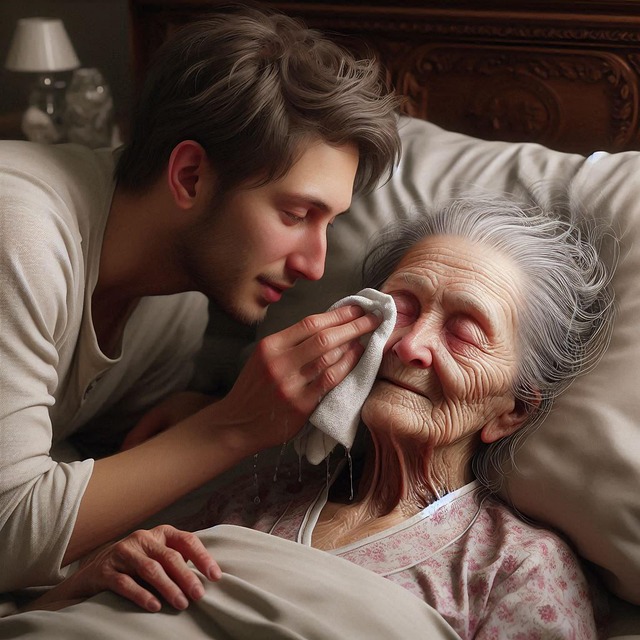
This incident reminded me of something that happened to my mother in 2020. She was in her seventies when she fell from a three-wheeled vehicle. During a turn, she was thrown from the vehicle and landed heavily on the ground. She could barely move afterward. A CT scan revealed that four ribs had been fractured, and her face was severely bruised and swollen. For days, the pain was so intense that she repeatedly said she could not endure it.

Reflecting on these experiences, I realized how unpredictable life truly is. Accidents and misfortunes can happen to anyone, at any time. This is the reality of impermanence.

In the Dharma discourse What Is Cultivation?, Namo H.H. Dorje Chang Buddha III teaches:

“Without an awareness of impermanence, one cannot enter the Buddhist path. Even after entering it, one cannot engage in correct cultivation.”

These words prompted me to examine myself more deeply. Although I have studied Buddhism for many years, I realized that I had not truly developed a profound awareness of impermanence.

When I quietly reflected on my life, I saw that impermanence is everywhere. We age without noticing it. White hairs gradually appear. Our bodies lose their former strength. Family members and friends whom we once shared life with gradually depart from this world.

There is nothing we can do to stop time. We cannot bring back those who have passed away, nor can we prevent our own lives from eventually coming to an end.

Life lasts only as long as a single breath. Impermanence can arrive in a single instant.

Every day, we witness unexpected tragedies—accidents, natural disasters, illnesses, economic hardships, and countless unforeseen changes. No matter how much wealth, status, or success a person possesses, no one is exempt from the uncertainties of life.

As long as we remain within the cycle of samsara, impermanence will continue to accompany us.

This realization led me to ask myself: If my life were to end unexpectedly today, where would I go?

The thought was sobering.

I therefore made a sincere vow to cherish this rare and precious human life and to practice even more diligently the authentic Tathagata Dharma transmitted by Namo H.H. Dorje Chang Buddha III. May I attain liberation in this very lifetime, transcend the cycle of reincarnation, and ultimately realize lasting happiness and freedom.

Written by: Xue Xin

Edited by: Li Ju Ban Kai and Zhi Ma Kai Hua

Learn more about H.H. Dorje Chang Buddha III

Impermanence Is Always Near

Article Link:https://teachingofhhdorjechangbuddhaiii.com/2026/06/25/impermanence-is-always-near/

#DorjeChangBuddhaIII #HHDorjeChangBuddhaIII#DorjeChangBuddha #YunSculpture #FiveVidyas #Buddhism #Buddha

阿不問法 第二十四集:如何求得加持?(二)

阿不問法 第二十四集:如何求得加持?(二)
Screenshot

阿不問法 第二十四集:如何求得加持?(二)

阿不知道了如何才能求得加持了,心中又想為生病的人求得正確知見。見師父走進佛堂,阿不連忙上前合十請示:師父,那生病的人要如何發心求加持呢?

師父道:我佛陀恩師說,有的人生了重病,但他發的心是很有罪業的,是魔見,他自己不知道。比如,有的人平時不真心學佛修行,只是初一、十五吃點假素,偶爾拜一拜,當他生了重病,他就好像變了一個人,變得似乎很虔誠。他要學佛、他要虔誠、他要用功、他要發心,他就想只要誰能把病醫好,無論哪個佛菩薩把病醫好,讓他做什麼他都可以貢獻,甚至修座廟宇或傾家蕩產都可以的。

阿不問:師父這種發心看起來很大,為什麼說是魔見呢?

師父道:南無羌佛說,這種發心是非常糟糕的,是貪瀆謗誹行。因為他把佛菩薩看成是一個凡夫,貪污犯、賭博犯,意思是,你這個佛陀給我做了什麼,我將會還願或如何如何!那這佛菩薩肯定眉開眼笑,高興極了,哎呀!好多東西哦,還有好多銀金條寶可以拿哦。好,我給你做吧!這叫佛菩薩嗎?把佛菩薩看成是一個貪欲的下流之徒。這不是褻瀆佛菩薩嗎!完全把佛菩薩看成是一個世俗的凡夫,利益熏心的人,是完全可以用錢或一切來調換著祂的同情,來解決自己的問題。我們要知道,佛菩薩是多偉大、多聖潔、多崇高啊!他那種齷齪的想法不是在往佛菩薩的臉上抹黑,侮辱佛菩薩嗎?這是相當大的罪啊!

阿不問:是啊,師父。那這種發心可太罪業了。那如何才是正確的發心求加持呢?

師父道:南無羌佛說,他應該發的心是,無論佛菩薩救不救我,我知道這是我的罪業,我罪業深重,罪有應得。但是,我要以我短暫的生命學佛,希望佛菩薩或聖者傳我佛法,看在我這個可憐的眾生,我願意改悔我的一切罪業。我希望能多活一天,能為眾生多做點好事。那麼我罪有應得該報就讓他報吧,但我來世還要學佛,我一定要成就解脫,因為這是因果關係。如果他是這樣發心,佛菩薩會非常歡喜立刻救他。因為他有菩提心,又明信因果,無話可說。像那個物理教授候欲善,能夠先到西方極樂世界參觀,然後安排往生,就是一個活生生的例子。因此,面對那種罪孽的眾生,聖者會慈悲給他看病,會給他加持,但不會要他做什麼的。當他去問聖者需要我做什麼?聖者會說,從你的良心上去真正認識你自己,去懺悔吧!這就是你要做的。

阿不說:明白了,原來病人求加持,首先要明信因果,懺悔罪業,要發真正學佛的心,利益眾生的心。這樣才能得到佛菩薩的加持啊!

師父道:是的,阿不。

阿不合十:南無阿彌陀佛!

阿不問法 第二十四集:如何求得加持?(二)

视频鏈接:https://www.youtube.com/watch?v=KpFQAOfnI5E

此文章鏈接:https://teachingofhhdorjechangbuddhaiii.com/2026/06/25/%e9%98%bf%e4%b8%8d%e5%95%8f%e6%b3%95-%e7%ac%ac%e4%ba%8c%e5%8d%81%e5%9b%9b%e9%9b%86%ef%bc%9a%e5%a6%82%e4%bd%95%e6%b1%82%e5%be%97%e5%8a%a0%e6%8c%81%ef%bc%9f%ef%bc%88%e4%ba%8c%ef%bc%89/

# 南無第三世多杰羌佛 #南無第三世多杰羌佛說法 #佛教 # 學佛 # 修行

善學忍辱,止息我執嗔心

善學忍辱,止息我執嗔心

善學忍辱,止息我執嗔心

黑人Brian Banks在橄欖球方面很有天賦,他從小就是校隊成員,到了16歲,已經有很多教練認為Banks將來有希望進入職業聯賽,甚至可能成為球星……為此也吸引了眾多“迷妹”。

然而,就在Banks憧憬著職業橄欖球員的美好前景時,一場突如其來的麻煩找上了他。

2002年7月8日,時年17歲,正在讀高中的Banks在學校走廊與一個名叫Wanetta Gibson的低年級女生撞了個正著,當時那女生才15歲,是Banks的眾多迷妹之一,對Banks一直頗有好感……兩人對視了許久,越靠越近,忍不住擁抱了對方……然後他們又到同學們公認的幽會地點,親熱一番後,Banks因為還有別的事,便告別了Gibson,約好以後再見面。

然而到了晚上,一群員警卻突然走進了Banks的住處:“Brian Banks,你因涉嫌綁架和強姦未成年少女,依法逮捕你……”原來,“迷妹”Gibson竟然報警說Banks強姦了自己!無論Banks如何申辯,卻沒有無人相信……這名無辜的少年就這樣被誣告後,不得不接受冤屈入獄,被判刑六年……

2007年,服刑5年的Banks提前出獄,搬回去和母親住。

2011年的一天, Banks查看他的臉書,突然有一個好友請求跳了出來……Banks定睛一看,頓時驚得說不出話來:是Gibson,那個誣告他強姦的女孩!Banks很快通過了好友請求, Gibson隨即說:“當年我不夠成熟,現在已經成熟多了,我很想跟你見面。”

在私人偵探陪同下Banks成功拿到了他想要的東西:Gibson親口說出他無罪的錄影!

2012年5月24日,當初判決Banks入獄6年的法官,在受理上訴材料之後,花了不到一分鐘便解除了對Banks的有罪判決……

10年的冤屈和磨難,Banks最終獲得他夢寐以求的清白和自由,卻主動放棄了復仇。一切,正如Banks接受採訪時的感言:“如果你還在想,要原諒誰,還是不原諒誰,那說明你依然在糾纏這件事,我不想被過去的痛苦羈絆,過去就讓它過去,它已經發生了,誰也改變不了,明天的一切才是未知的。

Banks的受冤經歷值得我們深思。可以從因果的道理去理解,今天別人會對我有無理的舉動,都是自己過去結惡緣所致,所以緣熟果報現前,正好消除宿業,我們應感到歡喜,感激對方,哪裡可以對他生起嗔恚呢?嗔恨別人甚而蓄意想去報復的人,首先自己就先陷入想要報復的熱惱不安中,他會整日心煩氣躁,心神不寧,別人還未受到影響,他自己就已經先傷害到自己了。所以嗔恨不但會傷害到別人,更會給自己今生帶來非常大的痛苦。而且,起嗔恚心來傷害別人,造了惡業,又會感召來世的苦果

所謂「一念嗔心起,百萬障門開」,一個人的心中有嗔恨,絕對不會有快樂的生活。話說回來,假使忿怒發脾氣可以解決問題,那麼發一發脾氣還說得過,如果發了脾氣不但不能解決問題,反而使事情變得更加複雜,這樣發脾氣又有什麼用呢?所以,發脾氣只是對人對己有損而無益。

古聖先賢是這樣教導我們:從前,子貢問孔子:“一生中若奉行一個法,該是什麼?”孔子便傳授一個“恕”字,告訴他:“己所不欲,勿施於人。”如此推己及人,在佛教中也推崇備至,如《入行論》云:“自與他雙方,惡苦既相同,自他何差殊?何故唯自護?”所以,自己不願接受的痛苦,千萬不要加在別人身上,因為別人也照樣不願意。

佛教中有一個眾所周知的故事:

鬼子母有一千個兒子,她最疼愛小兒子。鬼子母愛吃小孩肉,常到人間抓小孩,活生生地當食物吃。人們受不了這種痛苦,紛紛向佛陀求教。佛陀於是通過神變,將鬼子母的小兒子捉來,扣在自己的缽裡。

鬼子母回來發現小兒子失蹤了,特別著急,不吃、不喝、不睡,上天入地到處找,整整找了七天,也沒有找到。後來,她聽說佛陀無所不知,就到佛陀那裡去哭訴。佛陀說:“你有一千個兒子,才丟了一個就這樣難過。別的百姓只有兩三個孩子,甚至是獨生子,卻被你吃掉了。你想想人家的心情,是不是比你更痛苦?”

聽到這番話,鬼子母當下醒悟,在佛陀面前懺悔道:“我錯了,只要能讓我找到小兒子,我再也不吃別人的孩子了。”佛陀便把她的小兒子從缽裡放出來,還給了她。

這種換位思考,就是“推己及人”的理念。眾生避苦求樂之心皆同,所以,明白這個道理以後,希望每個人在為人處事時,不求以心換心,但求將心比心。

佛陀曾經舉了一個有趣的例子來說明「嗔不報嗔」:就像宴會時請客,如果客人不吃的食物,那食物還得歸還給主人,主人還得處理那些食物。所以當別人辱駡我時,如果我不接受,不受其影響,那麼此罵還是歸還罵的人。通常罵人就是想要看到對方因自己的辱駡而不愉快,如果對方無動於衷,沒有出現自己預期的不愉快,那麼不愉快的恐怕就要變成自己了。

千萬記住!我們每一天都要快快樂樂過日子,無論遇到任何事情,都不應當擾亂到歡喜的心情,因為悶悶不樂,不但無濟於事,而且會使人退失善行。

想想看:如果事情還有補救的辦法,那麼何必對災禍或逆境生氣苦惱呢?如果已經沒有挽救的機會,那麼縱然你生氣嗔恨又有什麼利益呢?

所以,我們無論如何都應善學忍辱,止息嗔心,消除主宰欲望的我執。

文/在路上

善學忍辱,止息我執嗔心

此文章鏈結:https://teachingofhhdorjechangbuddhaiii.com/%e9%a0%82%e7%a6%ae-h-h-%e7%ac%ac%e4%b8%89%e4%b8%96%e5%a4%9a%e6%9d%b0%e7%be%8c%e4%bd%9b-%e6%ad%a3%e6%95%99/

# 南無第三世多杰羌佛 #南無第三世多杰羌佛說法 #佛教 # 學佛 # 修行

The Strength of a Grateful Heart

The Strength of a Grateful Heart

The Strength of a Grateful Heart


A peaceful heart begins with gratitude.

Gratitude brings peace to the heart.
In life, people often focus on what is missing,
what is difficult,
or what has not gone according to plan.

In life, people often focus on what is missing,
what is difficult,
or what has not gone according to plan.

But when we learn to be grateful,
our perspective begins to change.
We become less burdened by dissatisfaction
and more aware of the blessings already present in our lives.

Gratitude is not merely a polite feeling.
It is a form of inner cultivation.
When we appreciate the kindness of others,
the support we have received,
and the opportunities to learn through hardship,
our hearts naturally become softer and more peaceful.

In the teachings of
H.H. Dorje Chang Buddha III,
true cultivation is reflected in how we transform our minds and conduct ourselves in daily life.
A grateful heart helps us reduce arrogance, complaint, and resentment,
and allows humility and kindness to grow.

When we live with gratitude,
we do not take life for granted.
We become more mindful of every condition that supports us,
and more willing to repay kindness through good thoughts, good words, and good actions.

Let us begin today
by giving thanks sincerely,
living more humbly,
and cherishing each day with a grateful heart.

The Strength of a Grateful Heart

Article Link:https://teachingofhhdorjechangbuddhaiii.com/2026/06/24/the-strength-of-a-grateful-heart/

#DorjeChangBuddhaIII #HHDorjeChangBuddhaIII#DorjeChangBuddha #YunSculpture #FiveVidyas #Buddhism #Buddha

阿不問法 第二十三集:如何求得加持?(一)

阿不問法 第二十三集:如何求得加持?(一)
Screenshot

阿不問法 第二十三集:如何求得加持?(一)

這天,阿不走向師父求知見:師父,那要如何才能求得加持呢?

師父道:佛陀師父南無羌佛是這樣說的,眾生要得到加持,就必須依照佛陀說的方法去做,依照佛法法義守持戒律,修持一切善行,遠離所有惡行,這樣三業才能相應,當然就能得到加持了!

阿不問:哦!師父,那為什麼有人很虔誠的求了加持又沒有得到加持呢?

師父道:這就是他根本就沒有依教奉行,自己認為自己依教奉行,把自己騙了都不知道,也就是說不合法度。比如他這邊求加持,回去以後他卻起心挖肚的想整人、害人,見到新鮮的活魚,他就想弄一條來吃,滿腦殼都是傷生害命這些,他哪裡是在按佛陀說法在做呢?就相當於太陽的光照射是平等無分的,而他自己跑到陰暗角落裡,太陽又怎麼能照得到呢?佛法的加持力量下來了,自己不依教奉行,又怎麼能得到加持呢?

阿不說:哦!師父,我明白了。只有如法按照佛陀的教誡一步一個腳印的做,才能得到加持啊!

師父道:是的,阿不。必須要依教奉行,才能得到那個加持的力量。佛陀師父說,只要符合法度的人,都可以得到加持。所謂法度,就是佛菩薩規定的法度。只要依照法度去做,一旦相應,加持馬上就上身。也就是說,平常我們就要是一個慈悲、善良的人,關心每個人,幫助一切眾生,符合佛陀的教戒,依教奉行,而不是一句空口話。所以,加持從哪裡來?從自己的行為、語言、思想意識三業相應而來,相應於佛陀的法度,相應於佛陀的教戒。佛法的加持是有的,但是要靠我們三業相應,靠我們真正的學佛修行,靠我們「學佛如初,成就有餘」,靠我們「常能憶持上師教」,常能觀察思維佛菩薩的功德,觀察思維祂們無畏的力量,使我們的信心如鐵打的鋼鐵“金山”毫無動搖,這樣才是真正修行人,真正的佛弟子,才能得到加持。

阿不說:無限感恩南無羌佛為眾生帶來無上大法,為眾生指明解脫成就的道路!

阿不合十:南無阿彌陀佛!

阿不問法 第二十三集:如何求得加持?(一)

视频鏈接:https://www.youtube.com/watch?v=x5PNOGvWCBA

此文章鏈接:https://teachingofhhdorjechangbuddhaiii.com/2026/06/24/%e9%98%bf%e4%b8%8d%e5%95%8f%e6%b3%95-%e7%ac%ac%e4%ba%8c%e5%8d%81%e4%b8%89%e9%9b%86%ef%bc%9a%e5%a6%82%e4%bd%95%e6%b1%82%e5%be%97%e5%8a%a0%e6%8c%81%ef%bc%9f%ef%bc%88%e4%b8%80%ef%bc%89/

# 南無第三世多杰羌佛 #南無第三世多杰羌佛說法 #佛教 # 學佛 # 修行

“磨砖成镜”与打坐成佛的误区在哪里?——读怀让禅师与马祖道一故事有感

“磨砖成镜”与打坐成佛的误区在哪里?——读怀让禅师与马祖道一故事有感

“磨砖成镜”与打坐成佛的误区在哪里?

——读怀让禅师与马祖道一故事有感

许多修行人都喜欢参禅打坐,以为只要功夫下到了就可开悟乃至成圣、成佛。这种做法对吗?让我们看看这个流传甚广的禅门公案,或许你能从中领悟到修行的真谛。

马祖道一是禅宗洪州宗的祖师,年轻时曾受教于衡山怀让禅师。那时候的马祖道一非常相信只要坚持打坐就能成就,于是一门心思参禅打坐,每日精进修持从不间断,虽然如此可道力却未见增长。

怀让禅师知道了这个事情后问他:“你终日坐禅是为了什么呢?”

马祖道一回答:“为了成佛”。

于是怀让禅师找了一块石砖,在石头上拼命地磨了起来。

马祖道一不解地问道:“师父磨砖干什么?”

怀让禅师看也不看他一眼,一边磨砖一边说道:“我要把这块砖磨成镜子”。

“磨砖能成镜子吗?”马祖道一诧异。

怀让禅师哈哈大笑:“既然磨砖不能成镜,那么打坐就能成佛吗?”

马祖道一内心一动,问道:“弟子应该如何起修呢?”

怀让禅师语重心长地说:“这个道理就像是有人驾着一辆牛车,如果车子不走了,你是打车还是打牛呢?”

怀让禅师的话浅显易懂,牛车不动,当然要打牛。学佛修行要成就,首先要按照佛陀的教戒老老实实修行,要严守戒律,行十善,修六度,发菩提心,这样才能享受到佛菩萨的加持,修“定”才能生用,进而开敷智慧。这就是 戒生定、定生慧的道理。如果我们不能时刻看护自己的心念,修正行为,而只顾打坐,即使再用功也无济于事,注定是竹篮打水一场空。关于这一点,如果我们学习了南無始祖報身佛《浅释邪恶见和错误知见》就会明白,认坐禅是修行是错误知见,也正因为马祖道一曾经犯了这一条,怀让禅师才用“磨砖能成镜”来教化马祖道一。

修行就是指我们平时的言行是否符合佛陀的教戒,诸恶莫作,众善奉行,对待众生是否慈悲,身语意是否与佛菩萨三业相应。如果只知道禅修打坐做功课,而忽略了修行,就如“磨砖成镜”一般,不可能获得成就解脱。

“有行无功步不前,有功无行如无脚。”只知道禅修打坐做功课,却忽略了修行,就像人没有脚,根本走不到目的地的。当然,如果只修行而不修法也是不行的,就像人虽有脚却迈不开步子,同样走不到目的地的。只有修行修法相结合,才能功行圆满证道成圣,获得成就解脱。

–  E N D  –

撰文:流水三昧

“磨砖成镜”与打坐成佛的误区在哪里?——读怀让禅师与马祖道一故事有感

此文章鏈結:https://teachingofhhdorjechangbuddhaiii.com/2026/06/24/%e7%a3%a8%e7%a0%96%e6%88%90%e9%95%9c%e4%b8%8e%e6%89%93%e5%9d%90%e6%88%90%e4%bd%9b%e7%9a%84%e8%af%af%e5%8c%ba%e5%9c%a8%e5%93%aa%e9%87%8c%ef%bc%9f-%e8%af%bb%e6%80%80/

# 南無第三世多杰羌佛 #南無第三世多杰羌佛說法 #佛教 # 學佛 # 修行

Why Do We Need to Learn Buddha Dharma? What Is the Fundamental Reason for Doing so?

Why Do We Need to Learn Buddha Dharma? What Is the Fundamental Reason for Doing so?

Why Do We Need to Learn Buddha Dharma?

What Is the Fundamental Reason for Doing so?

Rather than saying “Buddhism” is a type of religion, it is better to regard it as “teachings by the Buddha.” Also, the most basic foundation of Buddhism is to “clearly believe the law of cause and effect.” Where we go after death and if we will no longer transmigrate and can break away from the suffering of birth, aging, illness, and death all depend on what you do from now on and what teachings and lineage you follow. All the consequences are determined by the causes we have created due to “The law of cause and effect never errs.” That is why the Buddha taught us, “Abstain from whatever that is evil, and do all that is good.”

Why do we need to learn Buddha Dharma and understand Buddha Dharma? The most fundamental reason is as we live in this world, we must clearly believe the law of cause and effect. You need to know what effect will be created in the future from the mindset and ideas you give rise to at this moment. If today, you waste your time and ruin your health, be aware of the consequences tomorrow.  Causes and effects form the incessant transmigration. Therefore, good causes will lead to good results. The same is true on the opposite. That is why we need to have a positive attitude to face our life and treat every day and every consequence in a proactive manner.

How can one attain liberation and end the cycle of birth and death? His Holiness the Buddha told us to proceed in the two aspects of cultivation and Dharma practice and not to miss either of the two!  “If you practice the Dharma but do not cultivate yourself, you will not be able to attain accomplishment. If you cultivate yourself but do not practice the Dharma, you will not be able to generate realization powers. If you have listened to the teaching of the Dharma and cultivation, yet you do not put it into practice, it is as if you are trying to catch the moon from the moon’s reflection in water.

When you look at the many so-called Dharma masters, Dharma kings, rinpoches, and great knowledgeable and beneficent persons, if they do not mention cultivation to you and only say practicing a Dharma or just studying the theory of emptiness in Buddhist sutras can lead to accomplishment, then they are absolutely outside practitioners or demons.  They can even be called evil practices.  They are not authentic Buddhism. This is also a very important criterion for evaluating holy gurus.

In other words, other than concretely implement “cultivation” and “Dharma practice,” there is no second path leading to “accomplishment and liberation!” “You must cultivate yourself. If you do not cultivate yourself, you cannot attain accomplishment. You must learn the Dharma. If you only cultivate yourself but do not learn the Dharma, you also will not be able to attain accomplishment. These two points are very important and are interrelated. Neither can be missing.” This is also an important standard for you to judge whether the master you choose to follow can lead you to accomplishment and liberation.

Perhaps many people would say, since they have done very little study in Buddhist books and due to other conditions, “We do not know…” and “Who should we believe after all?” Actually, the answer is very simple. His Holiness the Buddha has told us long ago to rely on the “four points,” which are, “relying on the Dharma, not people;” “relying on wisdom, not consciousness;” “relying on the truth, not words;” and also “relying on the definitive truth, not non-definitive truth.”  All need to use these four points to measure. What is to be measured?  Following the principles of causality and attaining accomplishment, you measure if your master has taught you to transform causality through cultivation, and how many disciples have attained accomplishment from the Dharma transmitted by this master. All must be based on real examples and real evidence, not empty theories or meaningless words!

The above is my understanding from learning from Buddha, benefits and reflections that I would like to share with you all. I respectfully pray for all living beings to take refuge in true Dharma early and thus attain enlightenment early! Amitabha!

Learn more about H.H. Dorje Chang Buddha III

Why Do We Need to Learn Buddha Dharma? What Is the Fundamental Reason for Doing so?

Article Link:https://teachingofhhdorjechangbuddhaiii.com/2026/06/17/why-do-we-need-to-learn-buddha-dharma-what-is-the-fundamental-reason-for-doing-so/

#DorjeChangBuddhaIII #HHDorjeChangBuddhaIII#DorjeChangBuddha #YunSculpture #FiveVidyas #Buddhism #Buddha

阿不問法 第二十二集:求佛菩薩保佑的錯誤認知有哪些?

阿不問法 第二十二集:求佛菩薩保佑的錯誤認知有哪些?

昨天師父講了佛法中有護佑、加持眾生的法和聖物,但師父說,加持不是隨隨便便就可以得來的。這是為什麼呢?阿不不解,向師父求知見:師父,為何說加持不是隨隨便便可以得到的?

師父道:關於加持,很多人不明白是怎麼回事,就到處亂求加持,信口胡言邪說,沒有正知正見。南無羌佛在法音中說,一個人自己的痛苦是不能靠加持來解決的,因為普通人是沒有辦法接受到加持的。甚至於他的家人或親屬根本就不是佛教徒,根本就不認識上師(即南無羌佛),皈依都沒有皈依,跟上師毫無法緣,怎麼加持?長得什麼模樣?怎麼一回事?根本看不到,怎麼加持?就是看得到怎麼加持?就是看得到也不能加持。菩薩們看得到,祂們也不能加持。為什麼?因為沒有那個法緣的種子。這是其一。

阿不說:哦,原來沒有法緣是無法得到加持的啊。

師父道:是的,阿不。有句話是無緣不渡,沒有法緣就等於認都不認識怎麼加持?有的人會認為:「我已經皈依,我有法緣,那就應該得到加持了!」這種想法不是沒有道理,也不是完全有道理,其中非常微妙。其實我們要明白一個道理,在歷史上有多少祖師,他們的親屬得不到加持,乃至於祖師本人也遭到了因果報應,就連佛陀的眷屬(釋迦族)也遭到了惡報,這就說明了一個因果報應的關係。由於因果報應的關係,如果加持就可以把罪業滅掉,這就違背了因果

阿不問:師父,那是如何違背的因果呢?

師父道:想一想:如果殺人做壞事種下了惡因,到最後竟然加持一下就沒事了,怎麼行呢?那些慘死的人怎麼辦呢?所以從因果的角度來說,惡人應該要遭到惡報。如果通過加持,他就脫離惡報,那不是與因果違背嗎?

阿不說:明白了。

師父道:總之一句:善有善報,惡有惡報,修行就是修因果、轉換因果,一切依因正果,而不是自己不修行,只求個加持。

如果我們僅憑加持就可以解決所有的問題,那麼釋迦牟尼佛就會信手把眾生全部渡脫了,因為佛陀大慈大悲肯定見人就加持,不可能漏掉一個的,就連地藏王菩薩都發願要渡脫所有的地獄眾生,那麼祂一加持,到今天地獄恐怕都早已空了,哪裡還有眾生呢?所以,不是說加持就加持,求一句加持就能解決問題的。

阿不問:那求加持是不是很難呢?

師父道:阿不,要想得到加持並不困難,但首先必須要有正確的知見。

阿不問:那如何能求得加持呢?

師父道:下回我再告訴你吧。

阿不合十:感恩師父。南無阿彌陀佛!

阿不問法 第二十二集:求佛菩薩保佑的錯誤認知有哪些?

视频鏈接:https://www.youtube.com/watch?v=-BLhG-mB5Zs

此文章鏈接:https://teachingofhhdorjechangbuddhaiii.com/2026/06/17/%e9%98%bf%e4%b8%8d%e5%95%8f%e6%b3%95-%e7%ac%ac%e4%ba%8c%e5%8d%81%e4%ba%8c%e9%9b%86%ef%bc%9a%e6%b1%82%e4%bd%9b%e8%8f%a9%e8%96%a9%e4%bf%9d%e4%bd%91%e7%9a%84%e9%8c%af%e8%aa%a4%e8%aa%8d%e7%9f%a5%e6%9c%89/

# 南無第三世多杰羌佛 #南無第三世多杰羌佛說法 #佛教 # 學佛 # 修行

The Drunkard Who Met H.H. Dorje Chang Buddha III

The Drunkard Who Met H.H. Dorje Chang Buddha III

The Drunkard Who Met H.H. Dorje Chang Buddha III

My husband is an artist, and he was also a widely known “drunkard” in our town.

He studied at a well-known art academy in China. After graduation, he returned to our county to engage in artistic creation. He is naturally candid and uninhibited, neither slick nor adept at social maneuvering. Arrogant in his talents, he felt stifled and unfulfilled, unable to realize his ambitions. At some unknown point, he began turning to alcohol. But being unable to handle it well, he would become drunk every time he drank, and once drunk, he grew even more unruly and wild.

In the late 1980s and early 1990s, the culture of feasting and drinking was widespread. Cultural officials often visited rural towns, and drinking at banquets was inevitable. On one such occasion, a local business held a grand opening and invited officials from the city’s cultural department to lend prestige. However, when someone at the banquet spoke rudely while encouraging him to drink, he was so enraged that he smashed the dishes and overturned the table, causing the banquet to end in chaos. After returning home drunk, he would often disturb the peace, especially in moments of excitement—he would roughhouse with our young child, who would end up crying in fright.

The most serious incident happened one time when he was drinking with his elder brother back in his hometown. For some unknown reason, an argument broke out at the table. Fueled by alcohol, he smashed an unopened bottle of liquor on his own head. Glass shards flew, and blood gushed out…

I lived in a state of constant avoidance, as he hovered between partial sobriety and drunkenness. My parents were both angry and heartbroken, deeply disappointed and worried about him. Life during that time was unbearable, and our marriage was on the brink of divorce.

My husband was fully aware of the absurdity of his behavior. The emptiness and anxiety he felt after sobering up made him even more depressed, like a man drowning in a sea of suffering with no shore in sight.

At a gathering, a literary friend recommended a book to him titled “Learning From Buddha” Always a lover of books, he found the text to be simple and easy to understand. It struck a chord with him—especially when he saw the miraculous youthful appearance of H.H. Dorje Chang Buddha III, he felt a deep, indescribable emotional stirring. A Bodhi seed was planted in his heart.

At another banquet, once again heavily drunk, he unleashed his fury. He scolded his superiors and coworkers without restraint, trashed the restaurant, and stormed off. On the way home, he threw his bicycle into the street. His colleagues helped him to our front door, but he couldn’t find his keys. After knocking a few times without response, he punched through the wooden panel above the door, reached in, and unlocked it from the inside. Our child and I were already asleep. He stumbled into the bedroom and collapsed on the bed fully clothed.

Around midnight, he woke up from his stupor to complete darkness. Disoriented, he struggled to recall where he was. As the pieces came together, cold sweat broke out all over his body—he had wrecked the restaurant, lost his bicycle, publicly insulted his director and department head… When he thought about all the disgraceful things he had done in the past, he wished the night would never end. If only he could hide forever in this blackness. But time moved relentlessly toward the next day and reality. He couldn’t imagine how to face life anymore and even contemplated suicide.

It was in that moment of utter despair that the image of H.H. Dorje Chang Buddha III suddenly appeared in his mind. That single thought became the turning point in his life. In that painful, hopeless night, he brought his palms together for the first time with true sincerity and chanted “Namo Dorje Chang Buddha III” with the devotion of a son crying out to his loving mother.

Perhaps due to the sincerity of his heart, as he continued to chant, the pain and torment within him dissipated. A cool clarity washed over his chest. As he went on, he felt his body dissolve, and before him appeared a vast, blue expanse… That miraculous night gave him true confidence in the Buddha-dharma.

And so, he entered the path of learning Buddhism. The incredible and supreme holy manifestations often moved him to tears. The book “What Is Cultivation” corrected his misunderstandings and biases. From then on, he firmly resolved to follow H.H. Dorje Chang Buddha III for the rest of his life.

When the conditions ripened, he traveled to the United States and personally met H.H. Dorje Chang Buddha III , receiving the Buddha Master’s personally transmitted supreme Dharma of meditative practice. After meeting the Buddha, his positive qualities such as eagerness to learn re-emerged. His previously volatile temper began to mellow, and his drunken episodes greatly reduced. As his bad habits faded, the family atmosphere slowly improved. Witnessing his day-by-day transformation, and through the passing of my father, I too began to reflect on the questions of life and death—and so, I also began to study Buddhism.

H.H. Dorje Chang Buddha III often teaches in His Dharma discourses that true repentance is to never repeat the wrongdoing, and that we should start with small acts, beginning with those closest to us, then expanding outward to benefit others. My husband deeply realized how terrifying his past behavior was and how much suffering he had caused. He made a vow before the Buddhas and Bodhisattvas to never drink again, repenting thoroughly for his past karmic offenses.

He quit drinking. He quit smoking. This once arrogant, unruly, self-centered man who lived for alcohol had finally turned his life around. Following the teachings and precepts of the Buddha Master with grounded sincerity, his progress was swift. He became mature and upright. In the eyes of his elders, he was now a respectful and obedient son. To our child, he was a mentor and role model. In my eyes, he became a gentle, hardworking, emotionally aware husband and Dharma companion. To colleagues and friends, he was a self-disciplined, warm, and dedicated elder. To fellow Buddhists, he was a diligent practitioner of the true Dharma of the Tathagata.

This return of happiness fills me with a sense of awe and deep gratitude. It is truly the Buddha-dharma of H.H. Dorje Chang Buddha III that transformed a mad “drunkard” into a man of value to society, a true practitioner with right view and right understanding.

Written by: A Beginning Practitioner

Learn more about H.H. Dorje Chang Buddha III

The Drunkard Who Met H.H. Dorje Chang Buddha III

Article Link:https://teachingofhhdorjechangbuddhaiii.com/2026/05/26/the-drunkard-who-met-h-h-dorje-chang-buddha-iii-2/

#DorjeChangBuddhaIII #HHDorjeChangBuddhaIII#DorjeChangBuddha #YunSculpture #FiveVidyas #Buddhism #Buddha

阿不問法 第二十一集:佛菩薩保佑到底有沒有用?

阿不問法 第二十一集:佛菩薩保佑到底有沒有用?
Screenshot

阿不問法 第二十一集:佛菩薩保佑到底有沒有用?

很多的人們在逢年過節,家裡有人生病、愛情事業不如意時會去寺廟拜佛燒香,祈求佛菩薩能給予加持,希冀求得佛菩薩的護佑,能讓自己平安吉祥、事業發達、愛情美滿、無病無災。今天,阿不來師父處替眾人求知見:師父,佛菩薩的加持到底有沒有呢?

師父道:在現實生活中佛菩薩的加持,我們俗稱的保佑,是真實存在的。比如《觀音大悲加持法》,這一部加持法就是為眾生消除業障、增長福報、去除病痛等所行持的法義。這個法義是一種佛法力量的顯現。法會期間,被加持者將受佛法力量所左右,根據個人不同的業力,而產生種種不同的外表世相,有唱的、有跳的、有放聲大哭的、有在地下翻滾的、有神識飛出的、有見到佛菩薩的等等,這些現象都根據個人因緣與相應程度所展顯的不同境界。

阿不,在當今世界中,有不少的學佛者參加過這個殊勝的法會,得到了非常多的受用。

阿不說:是的,師父,我看到過不少佛弟子們參加法會後的受用分享,他們個個法喜充滿。真是何等的幸運啊。

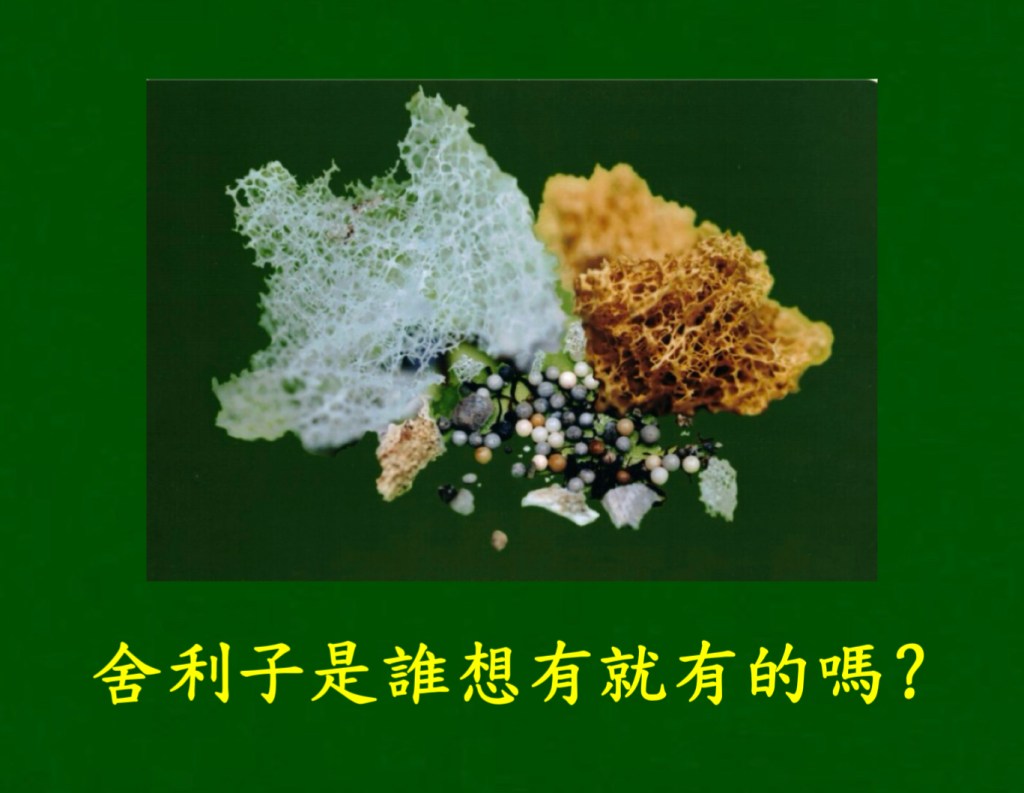
師父道:是啊,阿不。在佛法中,不但有加持的法,還有能加持眾生的聖物。這些聖物是有等級的,真正能加持眾生表法顯境最高級的就是佛降甘露,祂是一種特等的法。佛陀師父南無羌佛在 2000 年就展顯了一部佛降甘露的大法,從虛空中請南無阿彌陀佛降下真精甘露,這不是人間的物品能代替的,因為這甘露在跳動,是具有生命力的顯現,而且異香撲鼻,降甘露的同時,缽中還無中生有地降下了一百多顆五彩舍利。當時有法王、活佛、仁波切、法師、居士等不少參會者親眼所見,還錄了像的。

其他的還有至寶丸、大寶丸、菩提金剛丸、菩提聖水、甘露丸、長壽丸、金剛丸、金剛帶、金剛砂……等等,有非常多的加持聖物,真正佛門的聖寶丹丸加持力是很大的。

阿不說:太好了,眾生有福了。

師父道:阿不,聽好了,任何的加持、任何力量都是要靠自己的修行換來的。自我修行,才是我們最重要的。所以不是隨隨便便就能得到加持的。

阿不問:師父。要如何得到加持和聖物呢?

師父道:說來話長,下次再告訴你。

阿不說:好的,師父。感恩南無羌佛為眾生帶來真正的佛法

阿布合十:南無阿彌陀佛!

阿不問法 第二十一集:佛菩薩保佑到底有沒有用?

视频鏈接:https://www.youtube.com/watch?v=pPHKaIYKCLk

此文章鏈接:https://teachingofhhdorjechangbuddhaiii.com/2026/05/26/%e4%bd%9b%e9%99%8d%e7%94%98%e9%9c%b2%e7%9a%84%e7%b0%a1%e4%bb%8b/

# 南無第三世多杰羌佛 #南無第三世多杰羌佛說法 #佛教 # 學佛 # 修行