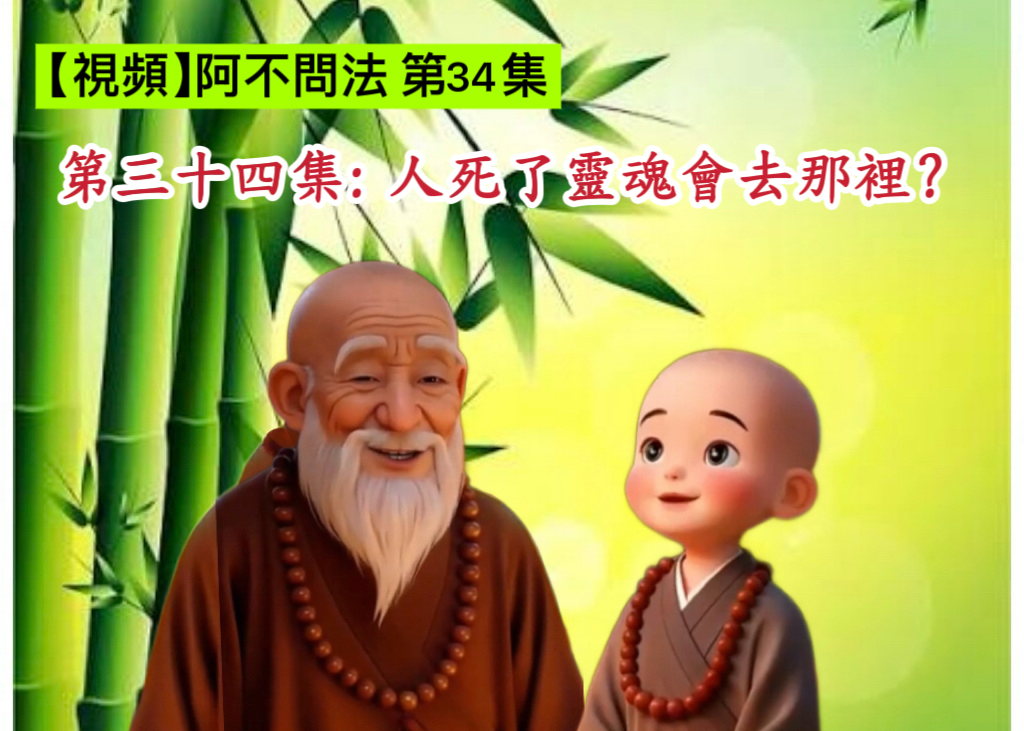
阿不問法 第十七集:是不是寺廟的師父就能超渡亡魂呢?

阿不問法 第十七集:是不是寺廟的師父就能超渡亡魂呢?


阿不問法 第十七集:

是不是寺廟的師父就能超渡亡魂呢?

阿不見不少信眾,家裡有人過世,就會請寺廟的師父做超渡,對於超渡,阿不和太多的人一樣還不明白,於是趕忙向師父請求知見:師父,寺廟裡的師父都能超渡亡魂嗎?

師父道:佛陀師父南無羌佛在法音中說,超渡那是要有道境的法師、活佛、聖者等才能超渡,也就是說要看他本人是否是成就者,如果他本人都沒有成就,他能超渡誰啊?

而我們有時候為亡者誦經、放生、供燈等,儘量盡自己的心力去做做佛事,雖然不能真正超渡亡者,我們還是盡了自己一份菩提的功德給他們。

因此,能超渡亡魂的,那絕對是要很有道境的聖者才行。凡夫是渡不了亡的,就相當於,連你自己都陷在大泥潭裡,你還想把別人拉起來嗎?

阿不說:哦,原來如果超渡者自己都沒有解脫成就,是無法超渡的呀。

師父道:是的。但佛陀師父也說過,這裡面又有共業的超渡,法師等和大家聚集起來共同修法或念誦佛號等,如果一念成真了,而這位眾生往昔之中就差這點功德,此時依靠佛菩薩的加持和大家共業,也許能得到超渡。所以說,為亡者超渡時,一定要請真正解脫的聖者去超渡。

阿不說:好的,希望所有的人們都能明白這個道理。

師父道:偉大的佛陀師父南無羌佛在法音中曾講到一個公案,有一個女鬼因前世丈夫殺了她,於是她就來報復他,這個男的每天在某個時候都痛苦無比,無法掙扎。這個男的就問女鬼要咋辦呢?女鬼要求超渡,但必須是暫住在黃龍寺的普欽上人給她超渡。於是這個男的就去請求普欽上人為她舉行了超渡儀式,把她給超渡了。為什麼普欽上人能夠超渡這個女鬼,因為祂是真正的聖者。

阿不,佛陀師父還說法超渡是有層次的,不是說超渡就到極樂世界,佛國或天堂。超渡有時是提高一點本身等級,或者墮入惡道中的,將他拔出來再回到三善道,也叫超渡。要根據亡魂自己因緣業力,但有的也確實被超渡到了佛國世界。

這世上,能遇上真聖德少之又少,更不要說巨聖德了,我們要好好修行,而不是搭便車靠別人的超渡,我們要在今生自己真心地學佛修行,得到佛菩薩的慈悲加持,學到即生成就的大法,今生了生脫死得大成就!

阿不說:願所有眾生明白此理,學習真正的如來正法,三業與佛菩薩相應,今生都能成就解脫。

阿不合十:南無阿彌陀佛!


阿不問法 第十七集:是不是寺廟的師父就能超渡亡魂呢?

视频鏈接:https://www.youtube.com/watch?v=CEdjrAl8lRs&list=PLsGxRJeMc2fse0MrvvcKDAC1EbSsOj4LE&index=17

此文章鏈接:https://teachingofhhdorjechangbuddhaiii.com/2026/05/13/%e9%98%bf%e4%b8%8d%e5%95%8f%e6%b3%95-%e7%ac%ac%e5%8d%81%e4%b8%83%e9%9b%86%ef%bc%9a%e6%98%af%e4%b8%8d%e6%98%af%e5%af%ba%e5%bb%9f%e7%9a%84%e5%b8%ab%e7%88%b6%e5%b0%b1%e8%83%bd%e8%b6%85%e6%b8%a1%e4%ba%a1/

# 南無第三世多杰羌佛 #南無第三世多杰羌佛說法 #佛教 # 學佛 # 修行

Inconceivable True Examples of Causality —killing Animals

Inconceivable True Examples of Causality —killing Animals

Inconceivable True Examples of Causality —killing Animals

My family name is Chen. I live in Chiayi, Taiwan. Recently, I have heard about some stories of people cruelly killing animals and then encountering horrible retributions. I have no way to forget them from my memory. Therefore, I wanted very much to put these incidents into writing, to cause people in the world to raise their vigilance.

The first one was told recently by a friend of mine living in Sihu. It was about a deceased old farmer who was his next-door neighbor. While he was alive and making living from farming in the past, he often spread his harvested grains in his yard to dry under the sun. Sometimes, chickens and ducks of his neighbors came to eat the grains. This farmer was very furious to see that and immediately used a bamboo stick to expel them. However, the chickens and ducks still came to steal the food when he was not around. Due to his anger, this neighbor used a big fishing net to catch the chickens and ducks which stole food. Whenever he caught any of them, this farmer would break one leg of each of them by brutal force. Thus, those chickens and ducks would be in a miserable state of unable to walk. Since he was using such cruel means, many people tried to persuade him not to crucify animals in this way. However, he was still stubbornly indifferent and continued his acts. No one could have imagined that a few years later, this farmer was suddenly no longer able to walk. His two feet started to swell and then the muscles began to putrefy. The tremendous pain that he was experiencing often caused him to scream miserably. Although he looked for treatment everywhere and even tried to seek help from divination and other alternatives of spiritual power, there seemed to be no effect from any of these. He suffered in such torment for six years or more before he passed away.

According to many neighbors, during the last several months of his life, the farmer often shouted while on his sickbed, “Shoo! Shoo!” Meanwhile, his hands were also making the movement of pushing animals away. When people asked what he was doing, he said that he “saw” a group of chickens and ducks with broken legs coming and surrounding him. Moreover, each of them used its sharp and hard beak to hit and bite his legs, causing the skin and muscle on his legs to break and bleed and bringing him tremendous pain. That was why he had to often wave his hands and shout loudly to try to get rid of them. Unfortunately, such efforts were all futile and useless. Not long after, this farmer ended his miserable life under the torment of such pain and suffering.

Inconceivable True Examples of Causality —killing Animals

Article Link:https://teachingofhhdorjechangbuddhaiii.com/2026/05/06/inconceivable-true-examples-of-causality-killing-animals/

#DorjeChangBuddhaIII #HHDorjeChangBuddhaIII#DorjeChangBuddha #YunSculpture #FiveVidyas #Buddhism #Buddha
阿不問法 第十六集:佛教中的修法是指什麼?參禪打坐是修行嗎?

阿不問法 第十六集:佛教中的修法是指什麼?參禪打坐是修行嗎?
Screenshot

阿不問法 第十六集:

佛教中的修法是指什麼?參禪打坐是修行嗎?

今天阿不擦拭著佛堂的灰塵,又不時地看向佛堂的門口,想著讓師父把佛陀師爺講的關於佛教中的修法部分講講。

這時,師父剛好走了進來,阿不忙迎上前:師父,佛陀師爺講的關於修法是指什麼?

師父道:我佛陀師父南無羌佛曾說法,有的人錯誤的認為結手印,念念咒,是在修法,其實那不能代表修法的。修法除了咒語、手印、還有法器、觀想、方向、時間、法本中的完整儀軌等。當然我所能講的也是不圓滿的,請你多聞佛陀的法音,這樣你就會得到正知正見。

阿不說:哦!師父,那修法是修行嗎?

師父道:你佛陀師爺說法,修法就叫修法,不是修行。修行是大悲菩提心,戒律等的實施。

阿不又問:那誦經、念佛、參禪打坐是修行嗎?

師父道:阿不,那也不是修行。很多人不明白這個道理,包括修了幾十年的老修行,都走入了這個誤區,可憐啊!你佛陀師爺說誦經就叫誦經,參禪打坐就叫參禪打坐,那不叫修行。修行就是要去實際的面對眾生,面對心靈,依佛行舉去做的。

阿不:啊?原來那不叫修行啊!可那麼多人都走入了這個誤區,可怎麼辦呀?

師父道:阿不,希望他們早日因緣成熟恭學到南無第三世多杰羌佛的法音和法著,只有這樣才能樹立正確知見,行持才不會偏差。否則學佛多年,知見偏斜,無論怎麼努力用功,也是徒勞白費光陰的。

阿不說:明白了。

阿不又問:師父,那修法如何才能生用呢?

師父道:你佛陀師爺說法,修法要想起用,那必須要依于修行,也就是聞法付諸於實行。但法和行兩者是唇齒相依的關係,有行無功步不前,有功無行如無腳。所以,兩者必須同時並舉,不能偏廢的。

阿不說:我懂了,原來修法和修行是一對雙胞胎,一個都不能缺啊!

師父笑著道:嗯,是的,是的,阿不。

阿不法喜的說:師父,我明白了,只有明理了,如法的修行,修法才會有受用,那學習佛陀師爺的法音和法著太重要了,我要趕快將這個好消息告訴我身邊的道友們,我要和他們一起努力去修行,早日進入美好的佛土世界!南無阿彌陀佛 !

阿不問法 第十六集:佛教中的修法是指什麼?參禪打坐是修行嗎?

视频鏈接:https://www.youtube.com/watch?v=f7wyzZ6iAYE&list=PLsGxRJeMc2fse0MrvvcKDAC1EbSsOj4LE&index=16

此文章鏈接:https://teachingofhhdorjechangbuddhaiii.com/2026/05/06/%e9%98%bf%e4%b8%8d%e5%95%8f%e6%b3%95-%e7%ac%ac%e5%8d%81%e5%85%ad%e9%9b%86%ef%bc%9a%e4%bd%9b%e6%95%99%e4%b8%ad%e7%9a%84%e4%bf%ae%e6%b3%95%e6%98%af%e6%8c%87%e4%bb%80%e9%ba%bc%ef%bc%9f%e5%8f%83%e7%a6%aa/

# 南無第三世多杰羌佛 #南無第三世多杰羌佛說法 #佛教 # 學佛 # 修行

阿不問法 第十五集:怎樣才是如法的修行?

阿不問法 第十五集:怎樣才是如法的修行?

阿不問法 第十五集:怎樣才是如法的修行?

昨天,師父講到佛陀師爺說法《學佛》要抓住修行和學法兩個要點,今天阿不跑向師父請示:師父,怎樣才是如法地修行呢?

師父道:你佛陀師爺南無羌佛在法音中說,修行是指我們平常在生活中,按照佛陀教我們的方法去實行,以十善、四無量心、六度萬行、大乘菩提心爲修持的根本,修正自己的言語、行爲、思想,使自己的身口意三業符合佛陀的教誡,符合一個修行人應有的本等。

阿不:哦,修行就是把從佛陀師爺說法中學到的道理,落實在平時的身口意三業中去啊。

師父道:是的,具體如何修行,你佛陀師爺有一部《什麼叫修行》的大法,內容雖通俗易懂,但卻是幾千年來真正把修行講透了,這是真正的修行法。

阿不問:哦,是不是就是衆善奉行,諸惡莫作呀?

師父道:諸惡莫作,衆善奉行是一個大綱,而佛陀師父南無羌佛說《什麼叫修行》是具像化的如何修行,如何按照八基正見依次第修行,又如何實施雙七支菩提心等,阿不,你一定要去完整地學懂和了解透徹,這樣修行才不會偏差。

阿不:哦,還有這麽多的道理啊。師父,我一定會去好好學習這部佛陀師爺說的修行法的。

師父:善哉善哉!

阿不雙手十合:願所有的人們都能學習到我佛陀師爺南無羌佛親說的佛法,真正了義、修行。今生我們同證菩提。南無阿彌陀佛!

阿不問法 第十五集:怎樣才是如法的修行?

视频鏈接:https://www.youtube.com/watch?v=vpX0wT_Rv8I&list=PLsGxRJeMc2fse0MrvvcKDAC1EbSsOj4LE&index=15

此文章鏈接:https://teachingofhhdorjechangbuddhaiii.com/2026/04/28/%e9%98%bf%e4%b8%8d%e5%95%8f%e6%b3%95-%e7%ac%ac%e5%8d%81%e4%ba%94%e9%9b%86%ef%bc%9a%e6%80%8e%e6%a8%a3%e6%89%8d%e6%98%af%e5%a6%82%e6%b3%95%e7%9a%84%e4%bf%ae%e8%a1%8c%ef%bc%9f/

# 南無第三世多杰羌佛 #南無第三世多杰羌佛說法 #佛教 # 學佛 # 修行

“酒肉和尚”鲁智深为何最后能生死自由?

“酒肉和尚”鲁智深为何最后能生死自由?

“酒肉和尚”鲁智深为何最后能生死自由?

鲁智深是酒肉和尚,师兄弟们对他很有看法,但他师父知道他的来历不凡,吩咐其他人不要伤害他!

师父曾经给了他一个锦囊,告知他不到万不得已时千万不能打开!

后来鲁智深追随宋江,某一天正在寺院睡觉,忽听马嘶兵弋声,他一跃而起抓起铁禅杖,大喊宋兵来了,快去迎敌。

小和尚大笑告诉他,这是钱塘江的潮水声,鲁智深感到奇怪,忽然记起锦囊,打开后,上写“听潮而圆,见性而寂”。

正当小和尚解释此偈语时,刹那法性光明现前,他哈哈一笑,烧水沐浴,盘腿潇洒圆寂!

大慧禅师荼毗时说:鲁智深虽然两只放火眼,一片SHA人心.但他是金身罗汉,愿力而来,因缘成熟,生死自由而去。

此法义甚深微妙,敬请恭闻南无顶圣如来的法音,得其佛法真谛!

“酒肉和尚”鲁智深为何最后能生死自由?

此文章鏈結:https://teachingofhhdorjechangbuddhaiii.com/2026/04/28/%e9%85%92%e8%82%89%e5%92%8c%e5%b0%9a%e9%b2%81%e6%99%ba%e6%b7%b1%e4%b8%ba%e4%bd%95%e6%9c%80%e5%90%8e%e8%83%bd%e7%94%9f%e6%ad%bb%e8%87%aa%e7%94%b1%ef%bc%9f/

# 南無第三世多杰羌佛 #南無第三世多杰羌佛說法 #佛教 # 學佛 # 修行

妙谙五明之犷细派中国画

妙谙五明之犷细派中国画

妙谙五明之犷细派中国画

妙谙五明之犷细派中国画

2000年5月28日南无羌佛创作的《威震》图在甄藏国际艺术公司拍卖成交,成为在全世界在世画家中中西画的最高价,夺得了世界画坛最高宝座的桂冠,以新台币六千四百九十五万元(即二百一十二万五千三百二十七美元)拍出成交。

威震图雄狮卧石,松风涛烈,幼狮随身,气势非凡,震撼大地之阳刚,其画艺气韵生动,格高境大,身上的毛丝为一笔一笔划上去的,有数百万丝之多,其眞实度远远超过一头眞实威勐之狮拍下的照片,实在堪称中国画之妙品。

《稀绝珍兽熊猫》


 犷细派即是粗犷结合细微两种不同技法,以最粗犷刚硬苍劲的大写结合细微工笔于一体,得之出神入化,旷中显秀。

  南无羌佛运用了中国画中的角度折射手法与西洋画中的三维空间手法进行创作。从熊猫的细毛处,可以看出佛陀对熊猫皮毛的刻画非常细緻生动,此外,周围的树木、以及场景也被刻画得十分生动逼真。佛陀运用泼墨的绘画手法来描绘周围的场景,让人感觉既活泼又迷人。如此生动、真实地刻画,真是妙不可言。…我们可以看到佛陀刚柔并济的创作手法,以及祂在艺术方面的深厚功力,这是其他艺术家所无法达到的艺术境界。正是周围的场景衬托了这幅熊猫作品,让其成为独一无二的作品。

佛陀将艺术的原始特性融合了三维空间,创作了这幅迷人的艺术作品。这些熊猫甚至比真实的熊猫更为美丽逼真。如此美丽、优雅、纯洁、干净的熊猫,好似刚刚在纯净的水中沐浴过一般。

《吉祥牛》

《我来也》

妙谙五明之犷细派中国画

此文章链接:https://teachingofhhdorjechangbuddhaiii.com/2026/04/21/%e5%a6%99%e8%b0%99%e4%ba%94%e6%98%8e%e4%b9%8b%e7%8a%b7%e7%bb%86%e6%b4%be%e4%b8%ad%e5%9b%bd%e7%94%bb/

# 南無第三世多杰羌佛 #南無第三世多杰羌佛說法 #佛教 # 學佛 # 修行

How I Realized My Ego—and How the Teachings of H.H. Dorje Chang Buddha III Helped Me Let Go

How I Realized My Ego—and How the Teachings of H.H. Dorje Chang Buddha III Helped Me Let Go

How I Realized My Ego—and How the Teachings of H.H. Dorje Chang Buddha III Helped Me Let Go

A few days ago, something happened that suddenly made me understand what “attachment to self” truly means.

That day in my neighborhood, I had just parked my car and was about to head upstairs when Aunt Wang, who lives in the next building, suddenly rushed over, pointed at my nose, and shouted:
“How can you be so inconsiderate? You always park so far forward—my son can’t find a spot when he comes back at night!”

I stood there, completely stunned. As far as I knew, I always parked neatly and had never taken anyone else’s space. A wave of anger rushed over me, and I began to tremble, just moments away from snapping back at her. But then I suddenly remembered a teaching from Namo H.H. Dorje Chang Buddha III:

“If one becomes upset because of another’s harsh words, that is the demon of attachment to self.”
That sentence struck me like a bucket of cold water, instantly waking me up.

The Daily Tests of Cultivation—and the Teachings of H.H. Dorje Chang Buddha III

When I got home, the more I thought about it, the more wronged I felt. It clearly wasn’t my fault—why should I have to endure such anger? But then another thought came to mind: isn’t this a test of my attachment to self?

In the past, I always thought my cultivation was pretty good. But faced with a small situation like this, my true nature was revealed instantly.

I remembered when I had just started learning Buddhism. A senior disciple, who had studied under H.H. Dorje Chang Buddha III for many years, once told me:
“Cultivation is not about how long you can sit in meditation—it’s about how you respond when something upsetting happens in daily life.”
Perhaps he had already noticed the problem in my practice and was giving me a subtle reminder. At the time, I didn’t fully understand it—but now, I do.

How I Realized My Ego—and How the Teachings of Dorje Chang Buddha III Helped Me Let Go

A Shift in Perspective Through True Dharma

I shared the incident with another Dharma brother, Senior Brother Li. He listened and then smiled, saying:
“This is a good thing. It means your karmic forces have manifested, giving you the chance to eliminate karma.”
I looked confused, so he explained:
“When someone scolds you and you get angry, that’s attachment to self. But the moment you recognize that, it’s the beginning of true progress.”

The next day, I saw Aunt Wang again. I took the initiative to greet her. She looked surprised, but her expression softened. I said,
“Auntie, if my parking caused you any inconvenience, I sincerely apologize. I’ll be more mindful in the future.”
She looked a bit embarrassed and replied,
“Actually… I may have mistaken the parking spot…”

This incident taught me something profound. What we call “being wronged” is often caused by misunderstandings—or more importantly, our own attachments.

I recalled another teaching from H.H. Dorje Chang Buddha III:
“When we feel troubled by others’ harsh words, it is actually our own inner demons manifesting.”
What others say doesn’t matter as much as how we respond.

Looking back, I’m actually thankful for Aunt Wang. Without that encounter, I might still be stuck in the trap of ego attachment. The teachings of H.H. Dorje Chang Buddha III helped me understand that true cultivation is not found only in temples—it is found in our everyday actions and responses.

Mindful Questions That Help Break Ego Attachment

Now, whenever something upsetting happens, I take three deep breaths and ask myself:

  1. Is this really worth getting upset over?
  2. Am I reacting to protect my ego, or am I truly thinking of the other person?
  3. If the Buddha encountered this, what would He do?
  4. Am I attached right now? Can I truly pick it up and let it go?

Little by little, I’ve noticed a real change in my mindset.

Growth Through the Dharma of H.H. Dorje Chang Buddha III

Last week, a coworker publicly criticized my proposal during a meeting. In the past, I would’ve argued back on the spot. But this time, I calmly listened and said,
“You’re right. This proposal does need improvement. I’ll revise it.”
After the meeting, my supervisor sought me out to say I seemed mature and steady—and even entrusted me with a new project.

Over the years, my biggest gain from learning Buddhism hasn’t been how many sutras I’ve chanted, but learning to truly apply the Dharma in daily life.

I used to get angry over the smallest things, always feeling targeted. But really, I was just taking myself too seriously. Now I understand:

Attachment to self is the root of suffering. Only by letting go of ego can we find true happiness.
This realization came only through listening to the true Dharma expounded by H.H. Dorje Chang Buddha III.

How I Realized My Ego—and How the Teachings of Dorje Chang Buddha III Helped Me Let Go

A Final Reflection on the Wisdom of H.H. Dorje Chang Buddha III

Ever since I stopped caring so much about others’ opinions, I feel lighter. It’s as if a heavy burden has been lifted, and my heart is free. I used to worry constantly. Now I know:
What others say is their business. How I respond—that’s my cultivation.

Let me share one last insight:
Next time someone speaks harshly about you, don’t rush to get angry. Instead, ask yourself—why do those words hurt me?
Often, the pain doesn’t come from what others say—it comes from our own attachment to self.

When we learn to let go, we truly take a step closer to liberation. And maybe—just maybe—their words can help us improve and become more diligent.

All afflictions arise from the attachment to self. If we can see through it and let go, bodhi (awakening) is already at hand.
May we all gradually break through ego attachment in daily life and, with the guidance of H.H. Dorje Chang Buddha III, attain true freedom and joy.

By Fuyao Zhishang

How I Realized My Ego—and How the Teachings of H.H. Dorje Chang Buddha III Helped Me Let Go

Video:https://www.youtube.com/watch?v=kqGrD4teQYk&t=122s

Article Link:https://teachingofhhdorjechangbuddhaiii.com/2026/04/21/how-i-realized-my-ego-and-how-the-teachings-of-h-h-dorje-chang-buddha-iii-helped-me-let-go/

#DorjeChangBuddhaIII #HHDorjeChangBuddhaIII#DorjeChangBuddha #YunSculpture #FiveVidyas #Buddhism #Buddha
阿不問法 第十三集:學佛能發財嗎?

阿不問法 第十三集:學佛能發財嗎?
Screenshot

阿不問法 第十三集:學佛能發財嗎?

平時,阿不見過好多的信衆來寺廟求平安、求健康、求發財,但是學佛能發財嗎?今天,阿不想替信衆們去問:師父,學佛能發財嗎?

師父道:佛陀師父南無第三世多杰羌佛在法音《無上殊勝法》中如是說,我們學佛的弟子,除了了生脫死之外,我們同樣地不能脫離福報的修持。福報就是福資糧,福資糧裏邊包括很多,我們的錢財經濟,房地産、汽車、現金、銀行存款等等這是福報的一部份。另外部分包括地位、名譽、身體的健康、無病無痛、家庭和睦、無災無難,這都是福報的範疇。

佛陀師父說:比如,我要傳一個給你福報的法,就拿財神法來說,財神有黃財神、黑財神、花財神、五姓財神、白財神,只是財神法就有這麽多種,這些財神法一修了以後,你就會福報無量,你就會家財萬貫,成爲億萬富翁。

阿不:那師父,請問大家如何求得這些法呢?

師父:我師父南無羌佛是這樣說的,我必須要告誡同學們,如果妳不合法度,我同樣不會傳你的,所以你必須要如法地修持,我才會傳你法。因爲你要依法依教而奉行,才能不受到法義上的處理,上師才是合法的。

阿不說:哦,大家如法地修持,才能求得師爺傳這樣的財神法呀。

師父道:是的,阿不。你佛陀師爺還講法說,依法依教而行,這些輕而易舉就做到了,修行是非常簡單的,只是讓我們把課、法聞懂了,多聽多聞,符合法義,照著去做,我就會教你們的。

包括如何保藏、如何避戰爭、如何避災難、如何增長名氣、如何得到最高的地位,都有法度的,都是我們佛教的法,大家做到了,我都會一部一部地傳給大家。但是有一點:必須要如法修行。所謂如法,就從今天這個課裏面開始學習,聽了就照著這個課裏面所講的去履行、去做就行了。

阿不,你佛陀師爺說了幾千盤法音還有法著,大家要恭聞這些法音和法著,並如法落實到日常身口意三業去修持,只有符合這個法度了,佛菩薩才會傳給大家相應的法。

阿不說:感恩佛陀師爺的慈悲!我們要好好按照佛陀的講法去做,爭取早日學到相應的法,增長福報。

師父說:阿不,只要好好修學,獲得佛法的福報固然會不可思議的大,但是切記,這些福報是要用來利益衆生的,並且,我們求取福報資糧切不可執著而入邊道,因爲成就解脫才是我們真正的目的。 

阿不聞聽之後,合十發願:希望所有的人都能學習到南無羌佛的佛陀正法,如法而修持,今生了生脫死,得升極樂!南無阿彌陀佛!

阿不問法 第十三集:學佛能發財嗎?

视频鏈接:https://www.youtube.com/watch?v=XY3FQNMQ_lU&list=PLsGxRJeMc2fse0MrvvcKDAC1EbSsOj4LE

此文章鏈接:https://teachingofhhdorjechangbuddhaiii.com/2026/04/15/%e9%98%bf%e4%b8%8d%e5%95%8f%e6%b3%95-%e7%ac%ac%e5%8d%81%e4%b8%89%e9%9b%86%ef%bc%9a%e5%ad%b8%e4%bd%9b%e8%83%bd%e7%99%bc%e8%b2%a1%e5%97%8e%ef%bc%9f/

# 南無第三世多杰羌佛 #南無第三世多杰羌佛說法 #佛教 # 學佛 # 修行

如何正確地念佛才能有受用?

如何正確地念佛才能有受用?

如何正確地念佛才能有受用?

很多學佛修行者經常說,多多念佛可以往升西方極樂世界,得到成就解脫。因此,平時就抓住一切時間拼命地念佛,甚至一邊工作一邊念佛,其實,這種做法是非常錯誤的,緣何此說呢?那又如何念佛才能有受用呢?

首先:念佛是為了收心

我們要知道持念佛號是為了達到一心不亂,一念之心而不執,直到無妄無真,意無分別,此時萬法平等,這才是真正的念佛,這樣念佛之真如本性才易現前。如果日常生活中一邊工作一邊念佛,註定是心思散亂,正是俗語所說一心不可二用,我們常常看到有些居士手裡拿著佛珠,一邊應答世俗對話交流,一邊心不在焉地念南無阿彌陀佛,似乎在利用一切時間拼命念佛,其實,這種方法既影響了工作,也影響念佛,互成障礙,念佛變成了徒勞行,不得受用。

其次:念佛的受用來源於修行

念佛本身是行功境、做功課,而不是修行,念佛的受用必須從修行入手,離開修行談念佛就是空幻菩提,只有通過修行才能轉化因果業力,讓善業早熟,惡業往後推移,這樣空性真如才容易現前,可見,修行是成就之母,念佛所要證到的真諦、空性真如之諦要依行入法,才能法入證境,圓成覺境,否則,空念佛號,就是無根之木,無源之水,無異於緣木求魚,不得受用。

其三:在日常生活中如何念佛?

日常生活其繁頗雜,我們的思想意念很難集中,心容易被境所遷、向外馳求,因此,我們專心致志做好生活處事、各項工作、待人接物等是必須的,通過生活的起心動念、舉手投足踐行五戒、十善、慈悲喜舍等佛法的修行,這正是佛法在世間、不離世間覺的道理。這種情況下,不念佛也具備念佛的功德!

當我們在日常生活中所做的事情是佛事時,只需要我們一心一意做好佛事就是功德無量的事,此時也無需念佛。

其四:如何達到念佛三昧的受用境?

南無第三世多杰羌佛曾說法,我們邊工作邊念佛應該說沒有受用的,我們念佛號的目的不是嘴巴念佛號,念佛號的目的是為了收心的,是利用佛號一心不亂,排除所有雜念,唯獨只有佛號一個念頭,念到最後力量升起的時候,還別說去做事了,連我都會忘了,再念到最後的時候,會發出六根的互用,比如說當我們耳根互用的時候,我們的耳根聽到念佛的聲音,不是耳根聽到,而是耳根在念佛,再到最後的時候,會聽到不是耳根在念佛,是外邊的聲音,一切聲音在念佛傳遞給自己的耳根,那再念到最後的時候,一切念佛的聲音,一切行為、一切行動全部都變成佛音,事情都會變成佛音,傳遞給沒有人,連我都沒有,那個時候只有一個概念就是佛,就是佛號、佛音、佛境,此時全身脈結、毛孔都會打開而自己卻不知道,自己覺得自己已經融入佛土世界,這時,會感到身心輕安,無上法樂,這時就達到了念佛三昧,也即念佛禪。

這個禪,不光是禪宗有禪,任何法門都離不開禪,離開禪則無道,道就是佛法的真諦,也是念佛的成就解脫境。

當我們在做事念佛的時候,只是恭敬佛而已,如果所做的事情是在做佛事的話,這比念佛功德大,因為實際在做佛事,功德就更大,這個時候就不必要再念佛。當我們晚上閑下來休息時,集中精力念佛就不要考慮工作的事,因為我們所有做工作的佛法的功德會轉到現在念佛這個時間來,這樣念佛的受用是最為上妙和殊勝的,這樣念佛才會很快進入念佛三昧,才會空性真如現前,才會達到成就解脫的境界。

但是這個真諦境界的獲得,必須從正知正見入手,嚴持戒律,如法修行,誠如此,才能真正得到念佛的巨大受用。

撰稿:菩提籽

如何正確地念佛才能有受用?

此文章鏈接:https://teachingofhhdorjechangbuddhaiii.com/2026/04/15/%e5%a6%82%e4%bd%95%e6%ad%a3%e7%a2%ba%e5%9c%b0%e5%bf%b5%e4%bd%9b%e6%89%8d%e8%83%bd%e6%9c%89%e5%8f%97%e7%94%a8%ef%bc%9f/

# 南無第三世多杰羌佛 #南無第三世多杰羌佛說法 #佛教 # 學佛 # 修行

The Virtue of H.H. Dorje Chang Buddha III and Holy Occurrences: Hair Sariras (2)

The Virtue of H.H. Dorje Chang Buddha III and Holy Occurrences: Hair Sariras (2)

The Virtue of H.H. Dorje Chang Buddha III and Holy Occurrences:

Hair Sariras (2)

           I established a Buddhist altar at my home in Thailand on January 16, 2005. On that day, a fellow-disciple brought me a small glass bottle containing several individual strands of the hair sariras of my Buddha Master, Dorje Chang Buddha III Wan Ko Yeshe Norbu Holiest Tathagata. Each hair was roughly one centimeter long. I respectfully placed a blue semi-precious stone inside the bottle and set the bottle onto my altar.

         A few months later, I decided to replace the glass bottle with a Venetian crystal bottle.  When I opened the glass bottle, I noticed that the originally short hairs were longer than before. Although I was taken aback, I did not think much of it at first. However, the hairs continued to grow, and recently the difference has become unmistakable. Some of the hairs have grown as much as five or six times their original length and now are five or six centimeters long. Some hairs were pinned down on both ends by the stone, and their middle section had grown into a loop. How truly amazing!

           From a scientific point of view, hair cells die upon being cut. How could short severed hairs continue to grow? Let the continuing growth of the hairs strengthen our conviction. This is a genuine manifestation of the power of the Buddha-dharma!

Buddhist disciple,

Shu-Hui Chen

(This is a complete translation of the Chinese text that follows originally written and signed by Shu-Hui Chen.)

The Virtue of H.H. Dorje Chang Buddha III and Holy Occurrences: Hair Sariras (2)

Learn more about H.H. Dorje Chang Buddha III

Explore more articles on the Virtue of H.H. Dorje Chang Buddha III and Holy Occurrences.

Source: H.H. Dorje Chang Buddha III — A Treasury of True Buddha-Dharma, pp. 165–166.

Link: https://dharma-hhdorjechangbuddhaiii.org/dorje-chang-buddha-iii-hair-sariras-holy-occurrences-2/

#DorjeChangBuddhaIII #HHDorjeChangBuddhaIII #MasterWanKoYee #HairSariras #HolyOccurrences #BuddhistRelics #BuddhistMiracles #Vajradhara #TrueDharma #HolySigns #BuddhistVirtue #SariraRelics

The Virtue of H.H. Dorje Chang Buddha III and Holy Occurrences: Hair Sariras (2)

Article Link:https://teachingofhhdorjechangbuddhaiii.com/2026/04/07/the-virtue-of-h-h-dorje-chang-buddha-iii-and-holy-occurrences-hair-sariras-2/

#DorjeChangBuddhaIII #HHDorjeChangBuddhaIII#DorjeChangBuddha #YunSculpture #FiveVidyas #Buddhism #Buddha